

SHOW
- 16
- 32
- 64
VIEW
- 2
- 3
- 4
-
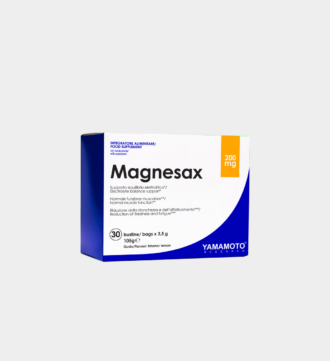
Magnesax®
Sachets of Magnesium bisglycinate with a high absorption…30 sachets of 3,5 grams
108 AEDSelect options This product has multiple variants. The options may be chosen on the product page
Magnesium is a mineral that is essential for the health of the body’s muscles, nerves, bones, and for regulating blood sugar levels. Severe magnesium deficiency can lead to complications such as numbness, muscle cramps, and heart failure. Therefore, if you do not get enough magnesium in your diet for a long period of time, you may be at a higher risk of heart attack, stroke, diabetes, or osteoporosis. There are various types of magnesium supplements, and their dosage is determined by age and gender. On this page, we’ll explore what magnesium is, how common magnesium deficiency has become, and why this mineral matters so much for your overall health.
What is Magnesium?
Magnesium is the fourth most abundant mineral in the body, and without it, the body cannot function properly. This essential mineral plays a crucial role in over 300 enzymatic reactions. Some of its most important functions include supporting muscle and nerve activity, regulating blood pressure, and strengthening the immune system. It is also involved in hundreds of metabolic processes, including energy production and the synthesis of vital proteins, such as DNA. Dietary sources of magnesium include legumes, nuts, seeds, and leafy green vegetables. Smaller amounts can also be found in meat and fish. Low levels of magnesium in the body are associated with conditions such as type 2 diabetes, heart disease, and Alzheimer’s disease.
Types of Magnesium Supplements
Magnesium supplements are available in several forms, each offering distinct benefits, absorption rates, and applications. Some types are better for digestion, others for sleep or muscle support, and a few are designed specifically for brain or heart health. Understanding the differences helps you choose the right form based on your needs. Here are the different types of Magnesium supplements:
Magnesium Citrate
Magnesium citrate, formed by combining magnesium with citric acid, is highly bioavailable, making it an effective option for replenishing low magnesium levels. It has a mild laxative effect, so higher doses are sometimes used to relieve occasional constipation. Some also use it for relaxation and mood support, though evidence for its impact on anxiety or depression is limited.
Magnesium Oxide
Magnesium oxide is a naturally occurring white powder made of magnesium and oxygen. Although available in capsule and powder form, magnesium oxide is poorly absorbed, making it less suitable for treating magnesium deficiency. It is mainly used to relieve digestive issues like heartburn, acidity, and occasional constipation, and some people take it to potentially reduce migraine frequency, though evidence for this is limited.
Magnesium Chloride
Magnesium chloride is a well-absorbed magnesium salt used to maintain normal magnesium levels. It is commonly taken as tablets or capsules. It is also available in topical forms such as oils, lotions, and creams. These are often applied to relax muscles, though evidence that skin absorption significantly boosts magnesium levels is limited.
Magnesium Lactate
Magnesium lactate, a form of magnesium bound to lactic acid, is easily absorbed and gentle on the stomach, making it well-suited for individuals who require higher dosages or have sensitive digestive systems. It is less common as a standalone supplement but is used in slow-release tablets to reduce digestive discomfort. Some research suggests it may help with stress and anxiety, though more studies are needed.
Magnesium Malate
Magnesium malate, a combination of magnesium and malic acid found naturally in fruits and wines, is easily absorbed and gentle on the stomach, with a lower risk of laxative effects. It may support energy production and help manage symptoms of conditions like fibromyalgia and chronic fatigue syndrome, though further research is needed.
Magnesium Taurate
Magnesium taurate, a combination of magnesium and taurine, is often used for heart and metabolic health. It may help maintain healthy blood pressure, support overall cardiovascular function, and aid in blood sugar regulation. Research, including animal studies, suggests it can reduce elevated blood pressure.
Magnesium L-threonate
Magnesium L-threonate, formed from magnesium and threonic acid (a vitamin C metabolite), is efficiently absorbed and crosses into the brain more effectively than other forms. It is commonly used to support cognitive health, memory, and brain function, with preliminary research suggesting potential benefits for age-related memory decline, depression, and other neurological issues.
Magnesium Sulfate
Magnesium sulfate, or Epsom salt, is a compound of magnesium, sulfur, and oxygen. It can be taken orally for occasional constipation, though it tastes bitter and should be used cautiously. More commonly, it’s added to baths to relax muscles, reduce tension, and promote calm. While sometimes included in skincare products, evidence for significant magnesium absorption through the skin is limited.
Magnesium Glycinate
Magnesium glycinate, a combination of magnesium and the amino acid glycine, is easily absorbed and gentle on the digestive system. It may promote relaxation and mental well-being while also aiding in the management of stress, anxiety, insomnia, and mood regulation. Glycine, which occurs naturally in protein-rich foods such as meat, fish, dairy, and legumes, plays a key role in the body’s protein synthesis.
Magnesium Orotate
Magnesium orotate is a highly absorbable form of magnesium bound to orotic acid, a compound that supports the production of DNA and other genetic material. It is less likely to cause laxative effects and may promote heart health by aiding energy production in heart and blood vessel tissues. Favored by athletes and individuals with cardiovascular concerns, it is pricier than other forms of magnesium, and evidence supporting its benefits remains limited.
How Widespread Is Magnesium Deficiency?
Magnesium deficiency is relatively common worldwide, with studies estimating that 10–30% of people may not meet the recommended daily intake, largely due to modern diets low in whole grains, nuts, and leafy vegetables. While true clinical deficiency is less frequent, marginal or subclinical deficiency is widespread, especially among older adults, people with gastrointestinal disorders, individuals with type 2 diabetes, and those who consume high amounts of processed foods. Because symptoms can be vague, like fatigue, muscle cramps, or poor sleep, many cases go unrecognised, making magnesium inadequacy a quietly prevalent nutritional issue.
Why Does Magnesium Matter?
Magnesium orotate is a highly absorbable form of magnesium bound to orotic acid, which supports DNA production. It participates in hundreds of biochemical reactions, helping nerves communicate, muscles contract and relax smoothly, and the immune system respond effectively. Magnesium also plays a crucial role in maintaining a steady heartbeat, supporting strong bones, balancing blood glucose levels, and facilitating the body’s ability to produce energy and build proteins. Because it influences numerous critical processes, even a minor deficiency can impact overall health and daily performance.
How Much Magnesium Supplement Should you take per day?
The amount of magnesium you need each day depends on your age, gender, and how much you already get from food. In general, most adults require 310–420 mg of magnesium daily. If your diet is low in magnesium or you have symptoms of deficiency, such as muscle cramps, fatigue, or poor sleep, you may benefit from a supplement to help you reach the recommended intake.
As a reference, teenage boys aged 14–18 require approximately 410 mg of magnesium per day, while teenage girls need around 360 mg. Adult men typically require 400–420 mg, while adult women need 310–320 mg per day.
Because excessive magnesium from supplements can cause digestive upset, it’s best to start with a moderate dose and adjust based on your body’s response. If you have kidney issues, take other medications, or need personalized dosing, consult a healthcare professional before starting any supplement.
Why Buy Magnesium from Avitazen?
Here are the benefits of buying Magnesium from Avitazen:
- Easy Payment Options- Cash on Delivery, Online Payment, Google Pay, Apple Pay, and Tabby
- 100% Genuine Products
- Fast Shipping Across the GCC
- Same-Day Delivery in the UAE for orders placed before 12 PM
- Free Shipping in the UAE on orders over AED 250
- Free Shipping in the GCC on orders over AED 1000
- Official Representative of Yamamoto