
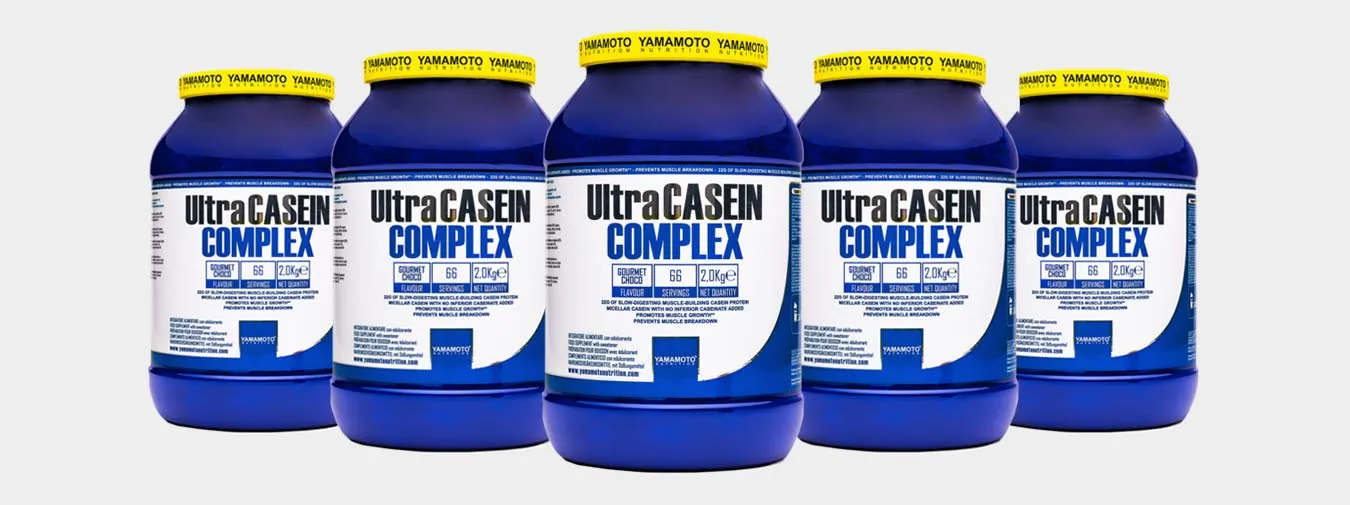
Casein is a slow-digesting dairy protein that releases amino acids gradually over several hours, making it an ideal choice to consume right before a fasting period begins. While other proteins are processed quickly and leave your muscles without fuel in just a couple of hours, casein keeps your body in a muscle-protective state well into your fast. This Casein usage guide walks through everything you need to know about casein: what it is, its key benefits, how and when to take it, the different forms it comes in, and how it compares to whey.
What is Casein?
One of the first things covered in any Casein usage guide is understanding what casein actually is. Casein is a protein found naturally in milk, making up roughly 80% of milk’s total protein content. It provides a complete amino acid profile, including all nine essential amino acids your body cannot produce on its own, along with key minerals like calcium and phosphorus that support both bone and muscle health.
What makes casein stand out is how it behaves during digestion. When it reaches the stomach, it forms a slow-digesting gel-like clot that releases amino acids steadily into the bloodstream over 5 to 7 hours. This makes it an ideal protein to consume before a fasting period.
Benefits of Casein
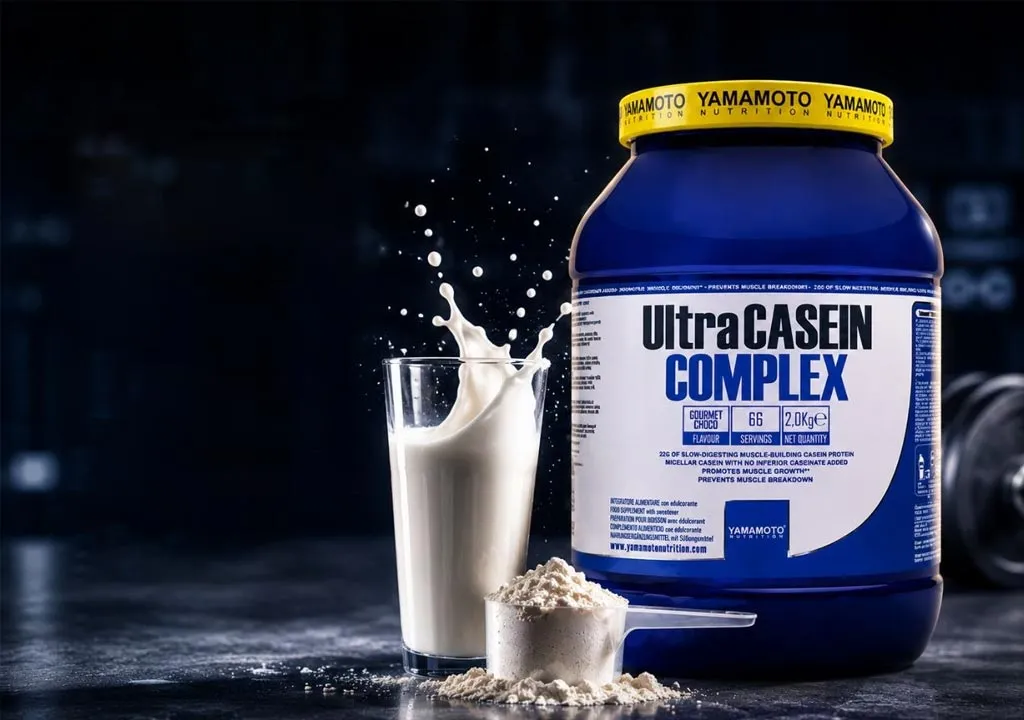
Casein offers several advantages for fitness, health, and performance. Here are the key casein benefits worth knowing:
- Appetite Control and Sustained Energy for Fasting Periods: Casein’s slow digestion provides a steady stream of amino acids, helping you feel full for longer and naturally curbing appetite. This makes it easier to maintain fasting periods while keeping energy levels stable throughout the day.
- Supports Muscle Growth and Strength: Casein is rich in leucine, a key amino acid that signals your body to build and repair muscle tissue. When paired with regular resistance training, casein provides the nutrients your muscles need to grow stronger and recover effectively.
- Prevents Muscle Breakdown During Recovery: During fasting periods or overnight, your body can run low on amino acids and begin breaking down muscle tissue for fuel. Casein’s slow-release properties deliver a continuous supply of amino acids over several hours, helping to protect muscle tissue and support recovery even during rest.
- Rich Source of Calcium for Bone Health: As a milk-derived protein, casein is an excellent source of calcium. Many casein protein powders provide up to 50% of your recommended daily calcium intake per serving, helping to maintain bone density and reduce the long-term risk of osteoporosis.
- Contains All Essential Amino Acids: Casein is a complete protein, meaning it contains all nine essential amino acids your body cannot produce on its own. This makes it a well-rounded choice for supporting overall nutrition, muscle maintenance, and optimal bodily function.
How to Take Casein
As outlined in this Casein usage guide, casein, like any protein powder, can easily fit into your daily routine. The most popular way to use casein is by mixing it into a protein shake, which makes for a convenient snack or a simple protein boost at any point during the day.
Beyond shakes, casein is also a versatile addition to your diet. Its thick texture makes it well-suited for cooking and baking. You can stir it into yoghurts, blend it into smoothies, or incorporate it into healthy baked goods for an extra protein hit without much effort.
For those looking to maximize casein’s muscle-building benefits, taking it before bed is one of the most effective strategies. Since casein slowly feeds muscle tissue over several hours, consuming it 30 minutes before sleep allows it to support muscle recovery and growth throughout the night.
Forms of Casein (powder, shakes, snacks)
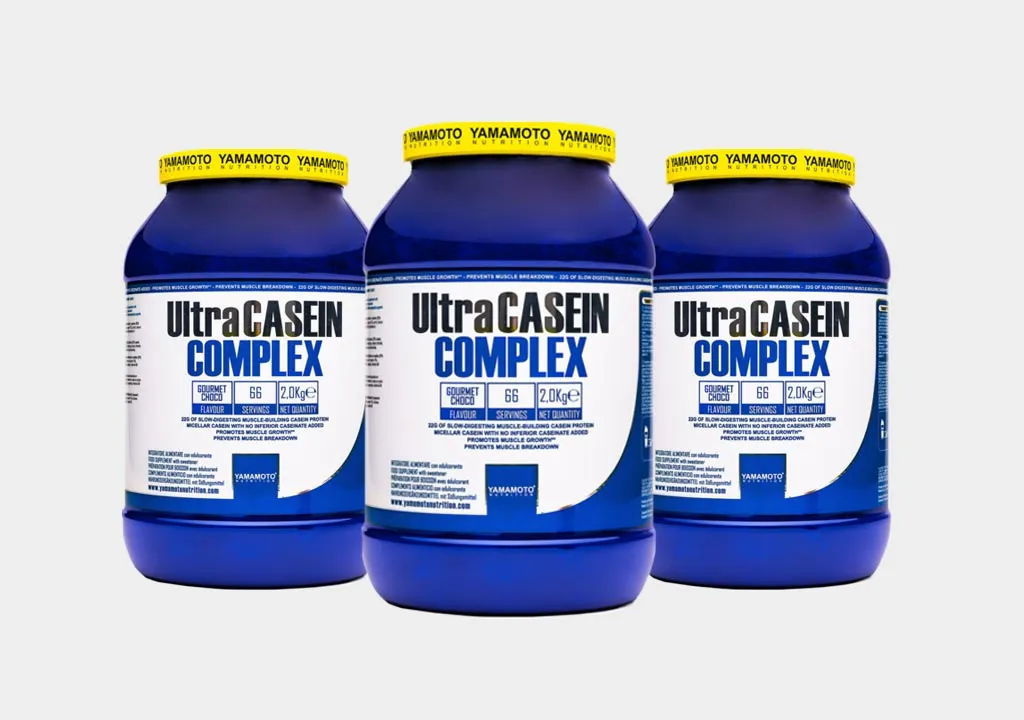
Casein is available in three forms: powder, shake, and snack, which gives you flexibility in how to incorporate it into your diet. In the rest of this section, we will explain each form of casein:
- Casein Powder: Casein powder, which is the most widely used form of casein, is usually available in three types:
- Micellar casein is the most popular and highest quality option, obtained through gentle filtration that preserves the protein’s natural structure. It forms a gel-like consistency in the stomach, delivering a steady release of amino acids for up to 6–8 hours.
- Casein hydrolysate is a pre-digested form broken down into smaller peptides, allowing for slightly faster absorption.
- Calcium/sodium caseinate is produced by treating casein with alkali, making it highly soluble. Though it remains slow-digesting, its altered structure and higher sodium content place it a step below micellar casein in overall quality.
- Casein Shakes
Casein thickens in liquid, making shakes denser and more filling than whey. It is widely used as a bedtime shake — often called the “nighttime protein” — consumed before sleep to prevent muscle breakdown overnight. If you prefer convenience, ready-to-drink (RTD) casein shakes are also available for protein on the go. Another popular option is casein pudding or mousse, made by mixing powder with a little liquid and freezing for 10–30 minutes.
- Casein Snacks
Casein is naturally found in dairy, making whole foods like cottage cheese, Greek yogurt, and regular cheese excellent natural sources. For those who prefer packaged options, many protein bars use casein as a slow-digesting protein source to provide long-lasting satiety. You can also create your own homemade casein snacks by stirring casein powder into yogurt, mixing it into oats, or using it in baking for a high-protein boost.
Best Time to Take Casein
The best time to take casein protein is 30–60 minutes before bed. Casein provides a steady release of amino acids for 6–8 hours, supporting muscle repair and reducing protein breakdown while you sleep. That said, there are several other windows throughout the day where casein can be equally effective:
- Before Bed (Optimal): Consuming 40–48g of casein before sleep is the most effective strategy for maximizing muscle protein synthesis overnight. While you rest, casein quietly goes to work, continuously feeding your muscles and minimizing breakdown during your longest daily fast.
- Between Meals: If you have long gaps between meals, casein is an ideal choice to bridge the gap. Its slow-digesting nature keeps you feeling full and prevents muscle breakdown during extended periods without food.
- During Fasting Periods: For those practicing intermittent fasting, casein is particularly well-suited when taken right before your fasting begins. It acts as a nutritional buffer, sustaining your muscles with a steady amino acid supply well into your fast.
- Post-Workout: While whey is generally the preferred choice for immediate post-workout recovery, casein can be a useful alternative if your next meal is still several hours away. It initiates a sustained recovery process, keeping your muscles supported until your next eating opportunity.

Potential Side Effects of Casein
The most important side effect to be aware of is that some people may have a casein allergy. If this applies to you, casein protein powders and any casein-containing products should be avoided. It’s always worth checking product labels carefully, as casein is present in many dairy-based foods and supplements. If you’re unsure, consult your doctor before adding casein to your routine.
Casein vs. Whey
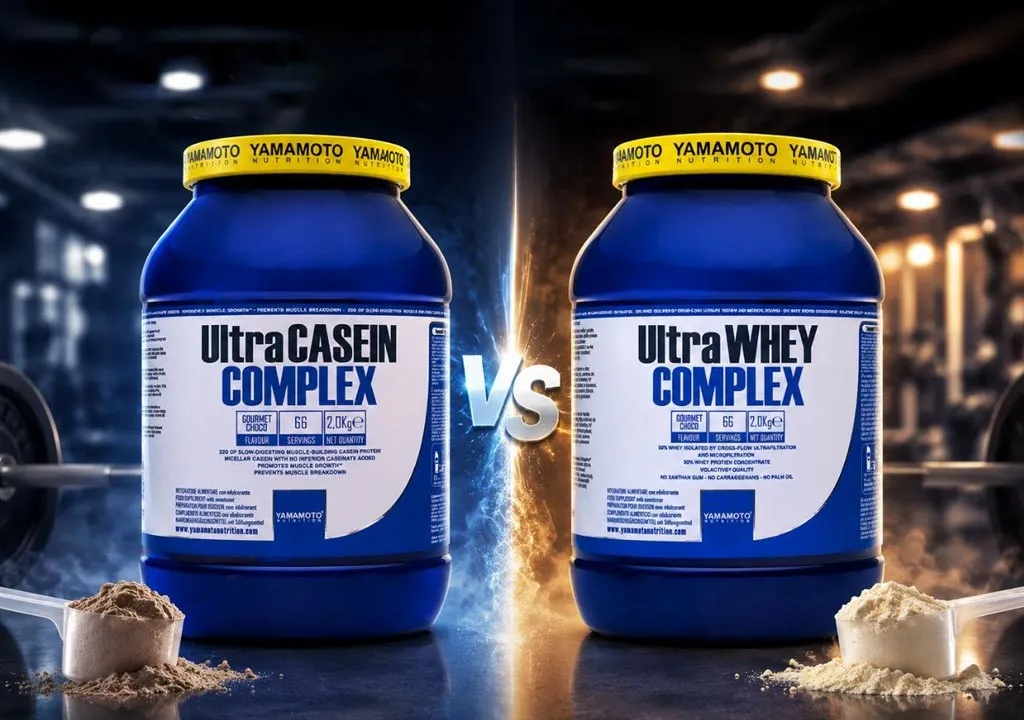
One of the most common questions this Casein usage guide aims to answer is how casein stacks up against whey. Casein and whey are both high-quality milk-derived proteins, but they serve different purposes. Whey digests rapidly within 1–2 hours, making it the ideal choice right after a workout for fast muscle recovery. Casein, however, forms a gel-like consistency in the stomach, releasing amino acids steadily over 6–8 hours.
Both are complete proteins, but whey’s slightly higher leucine (11–12%) more strongly triggers muscle protein synthesis. Casein compensates with slow release, sustaining muscle nourishment longer and supplying extra calcium for bone health. Whey makes a thin, smooth shake, while casein yields a thicker, creamier texture that keeps you fuller longer.
Conclusion
This Casein usage guide walks you through everything you need to know about Casein. Casein is a slow-release supplement that nourishes and protects your muscles during fasting. Whether building muscle, curbing hunger during fasting, or boosting overall nutrition, casein offers benefits most proteins can’t match. The key is knowing when and how to use it, and now you do. Take it before bed, before your fasting window, or between meals, and pair it with a balanced diet and consistent training for the best results.