

Yamamoto Nutrition’s AminoDEX tablets come in a bottle of 120. Each labelled serving supplies 4.45 grams of listed essential amino acids (EAAs), including 1 gram of leucine, plus 550 milligrams of L-alanyl-L-glutamine. The tablets offer a way to carry a measured amount of amino acids without mixing a powder. They make most sense as an optional addition to an adult training diet when a protein-rich meal or shake is inconvenient.
One detail matters if you are shopping for a full EAA blend. Yamamoto’s tablet label names eight of the nine essential amino acids; histidine is not listed. The label tells you what the serving supplies. Research on other amino acid mixtures can explain how the ingredients work, but it cannot establish the effect of this particular serving on strength, soreness or muscle gain.
What Is in AminoDEX Tablets?
Yamamoto describes the Ajinomoto® AjiPure® amino acids as being sourced through plant fermentation. Most of the amino acids in the formula are provided individually. Lysine is added as a hydrochloride salt, while L-alanyl-L-glutamine is a dipeptide, meaning it contains two amino acids joined together. The tablets also contain cellulose, hydroxypropyl methylcellulose, talc, magnesium salts of fatty acids and silicon dioxide. Check the AminoDEX 120-tablet product page for the tablet format before comparing it with the powder sold under the same name.
The quantities below refer to five tablets, the serving on the Yamamoto label. For lysine, the table gives the amount of the amino acid itself. The 715 mg is the lysine supplied by 894 mg of lysine hydrochloride. Count it once.
| Declared ingredient | Amount per five tablets |
| L-leucine | 1,000 mg |
| L-isoleucine | 500 mg |
| L-valine | 500 mg |
| L-lysine | 715 mg |
| L-phenylalanine | 645 mg |
| L-threonine | 555 mg |
| L-methionine | 350 mg |
| L-tryptophan | 185 mg |
| L-alanyl-L-glutamine | 550 mg |
The eight EAAs add up to 4,450 mg. The separate dipeptide is excluded from that figure. Leucine, isoleucine and valine are the three branched-chain amino acids, or BCAAs. Together they account for 2,000 mg in a 2:1:1 ratio. That ratio describes only those three ingredients, so it gives a partial picture of the formula.
What Benefits Can the Amino Acid Formula Support?
Amino Acids for Muscle Protein Synthesis
Your body uses amino acids to make new proteins, including the proteins that muscles turn over after exercise. The nine EAAs need to come from the diet because the body cannot make enough of them on its own. Leucine helps signal the start of muscle protein synthesis, and the other amino acids provide material for the proteins being made. A meal containing complete protein, such as eggs, dairy or soy, can provide all nine EAAs together.
The International Society of Sports Nutrition position stand on EAAs describes how supplemental EAAs can increase muscle protein synthesis over the hours after ingestion. That response varies with the amount, the blend and the people studied. A short-term increase in synthesis is one measurement; increases in muscle size or strength require longer studies. This distinction is especially useful here because the position stand addresses a range of formulas, rather than testing AminoDEX tablets.
How Free Amino Acids Compare With Food Protein
Free amino acids do not need to be released from intact protein before absorption. A randomized trial published in The Journal of Nutrition compared free amino acids with an equivalent amount of milk protein in 24 young adults. Amino acids appeared in circulation more quickly with the free form, but the researchers found no difference in muscle protein synthesis over six hours. Neither arm tested AminoDEX. The study helps explain why an absorption claim on its own tells you little about how much muscle a supplement will help you build.
A 12-week trial in older adults that is sometimes cited for EAA benefits tested a blend that also contained creatine, vitamin D and other ingredients. Its outcomes describe that blend in the people who took it. It cannot isolate what the EAAs did, and its results do not establish a strength or lean mass benefit for AminoDEX.
What the Added Dipeptide Contributes to the Formula
L-alanyl-L-glutamine combines alanine and glutamine. It is separate from the eight EAAs shown on the label. If you are comparing products for use during a hot or sweaty session, check fluid and electrolyte needs separately. The tablet facts do not declare a measured sodium or potassium serving. The presence of the dipeptide does not tell you whether the tablets replace the fluid or sodium you lose through sweat.
Who May Find AminoDEX Useful?
AminoDEX may appeal to an adult who already eats enough protein and wants a compact supplement for occasions when food is hard to carry. Someone leaving a gym straight for a shift, for example, may find a bottle of tablets easier to pack than a shaker. That convenience is useful if it fits the rest of the person’s meals. It does not turn five tablets into a meal or a serving of whey.
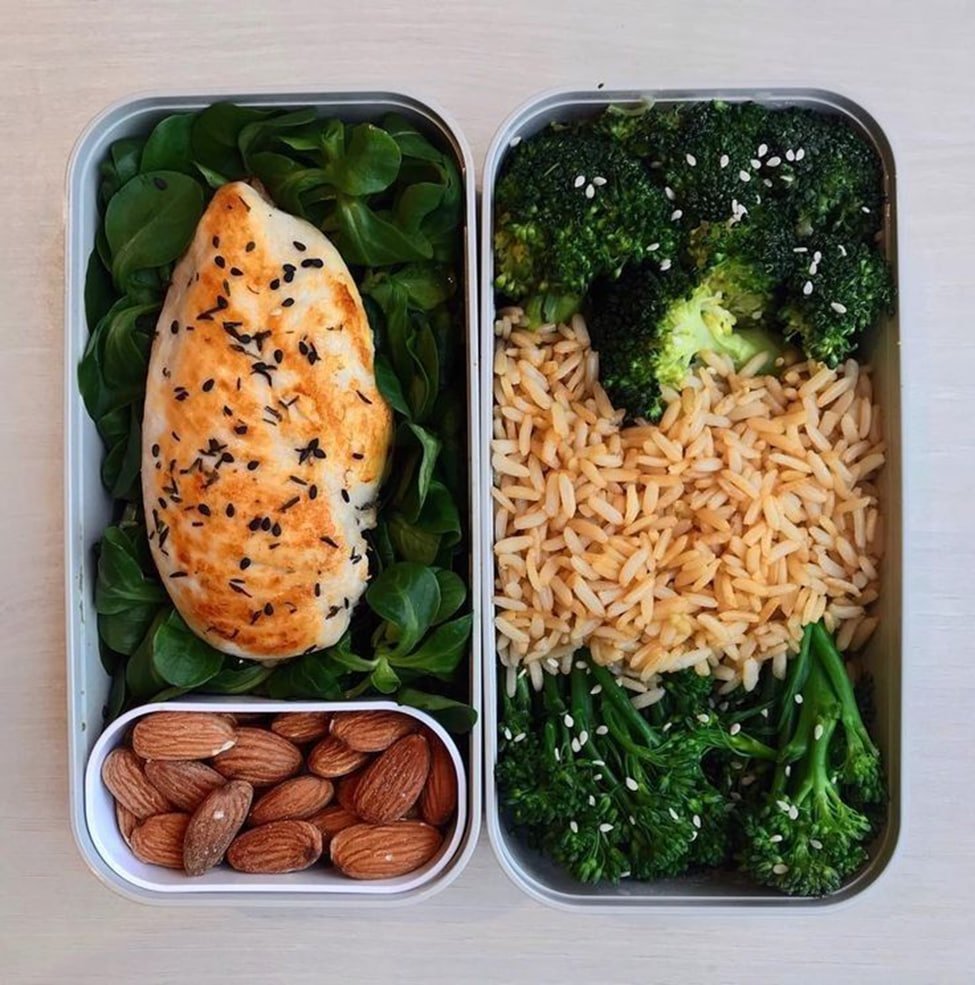
If you regularly fall short on protein, start by identifying the meals where that happens. Adding yogurt, eggs, fish, tofu or another protein source can help raise total intake and supply the full EAA profile. A suitable protein powder is another option when a meal is impractical. For sessions that leave you hungry or very sweaty, Avitazen’s guide to recovery after intense training explains how protein, carbohydrate and fluids address different needs.
Check the pack’s warnings before use. The manufacturer advises against use during pregnancy or in children and directs readers to seek medical advice before prolonged use. The formula contains phenylalanine. Anyone with phenylketonuria should check it with their metabolic care team before taking it.
Frequently Asked Questions
Does AminoDEX Contain All Nine EAAs?
The tablet label lists eight essential amino acids with amounts and does not list histidine. If you need a product that explicitly declares all nine, check the individual ingredient amounts rather than relying on the term EAA on the front of the pack.
Is AminoDEX the Same as a BCAA Supplement?
The tablet formula includes leucine, isoleucine and valine, plus five other EAAs and L-alanyl-L-glutamine. Compare the amounts of the amino acids you want rather than comparing products by their BCAA ratio alone.
Are the Tablets and Powder Interchangeable?
No. The 120-tablet bottle and the 24-sachet powder have separate labels, serving sizes and ingredient lists. Use the directions and nutrition panel for the format you actually have.