

Eight of the 13 essential vitamins the human body needs are part of the Vitamin B complex. Although B vitamins are found in a wide range of foods. Deficiencies are still common due to factors such as poor dietary habits, aging, certain medical conditions, and restrictive diets. As a result, many people may struggle to meet their daily requirements through food alone.
This vitamin B usage guide explains everything you need to know about Vitamin B, including recommended dosages, natural food sources, supplements, optimal timing, and potential side effects.
What Is Vitamin B?
Vitamin B refers to a group of eight essential water-soluble vitamins, collectively known as the B-complex vitamins, that support many important bodily functions. These vitamins help convert food into energy, support brain and nervous system health, and aid in red blood cell production. By eating nutrient-rich foods, following recommended dosages, and using supplements correctly, you can maximize the benefits of Vitamin B.
Because B vitamins are not stored in significant amounts in the body, they must be obtained regularly through diet or supplements. While each B vitamin has a unique function, they work together to support metabolism, cellular health, and overall well-being. The eight B vitamins include:
- Vitamin B1 (Thiamine): Helps convert food into energy and supports nerve function.
- Vitamin B2 (Riboflavin): Supports energy production, skin health, and cell growth.
- Vitamin B3 (Niacin): Promotes healthy cholesterol levels and supports metabolism.
- Vitamin B5 (Pantothenic Acid): Assists in hormone and cholesterol production.
- Vitamin B6 (Pyridoxine): Important for brain development, immune function, and protein metabolism.
- Vitamin B7 (Biotin): Supports healthy hair, skin, nails, and metabolism.
- Vitamin B9 (Folate): Essential for DNA synthesis and cell growth.
- Vitamin B12 (Cobalamin): Supports nerve health and red blood cell formation.
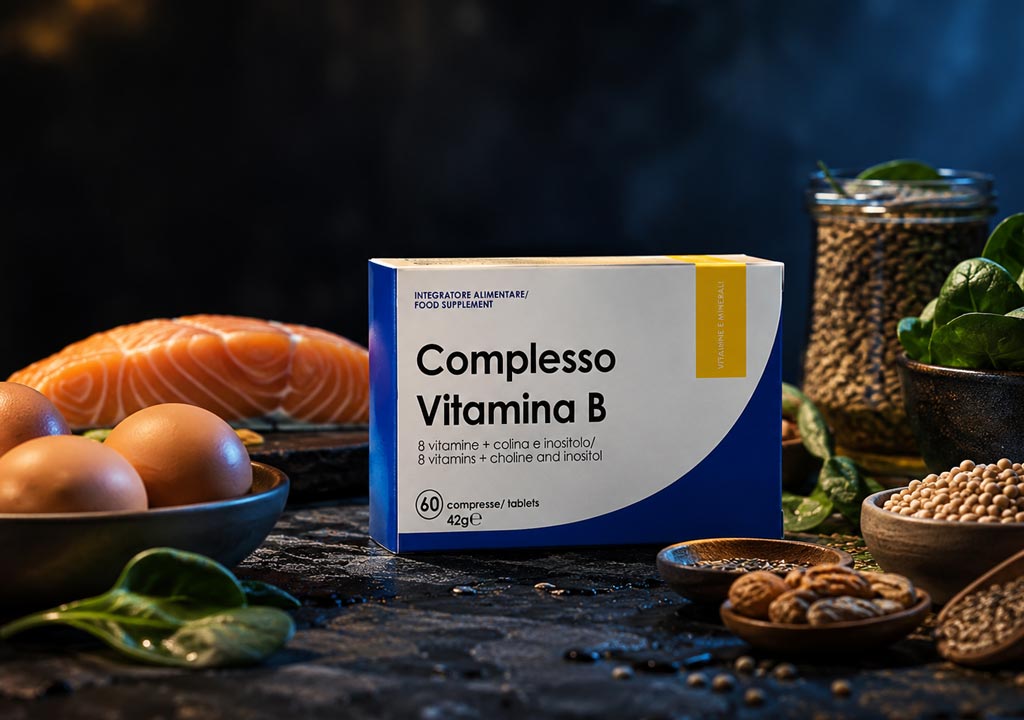
Recommended Daily Dosage of Vitamin B for Adults
As part of a vitamin B usage guide, it’s important to understand that each B vitamin has its own recommended daily allowance (RDA). The figures below reflect general guidance for healthy adults:
- B1 (Thiamine): 1.1–1.2 mg
- B2 (Riboflavin): 1.1–1.3 mg
- B3 (Niacin): 14–16 mg
- B5 (Pantothenic acid): about 5 mg
- B6 (Pyridoxine): 1.3–1.7 mg
- B7 (Biotin): about 30 mcg
- B9 (Folate): 400 mcg
- B12 (Cobalamin): 2.4 mcg
Needs can rise during pregnancy, for older adults, and for people following vegan or vegetarian diets—especially for B12, which is found almost entirely in animal foods. Many standard B-complex supplements contain well above the RDA, which is usually safe for water-soluble vitamins, but more is not always better.
Vitamin B Supplements vs. Natural Sources
Getting your B vitamins from a balanced diet is generally the safer and smarter choice. Food sources are more bioavailable, meaning your body absorbs and uses the nutrients more efficiently, and eating whole foods naturally reduces the risk of taking in excessive amounts. Whole grains, lean meats, eggs, dairy, legumes, and leafy greens together cover the entire B-complex while also delivering fiber, minerals, and other nutrients that a pill cannot replicate.
That said, supplements are essential for specific populations. Vegans and vegetarians often need supplemental B12, since it is found almost entirely in animal foods. Adults with absorption issues—as well as older adults, pregnant women, and people taking certain medications—may also struggle to get enough from food alone and can benefit from supplementation.
The practical takeaway from this vitamin B usage guide is to get your B vitamins from food first, and use supplements to fill genuine gaps rather than replace a balanced diet.
Best Time of Day to Take Vitamin B
B vitamins are involved in energy production, so the general recommendation is to take them in the morning, ideally with breakfast. Taking them earlier in the day aligns with their energizing role and helps some people avoid the sleep disruption they may experience if they take a B-complex late in the evening. Pairing your supplement with food is also a smart move. Taking B vitamins with a meal improves absorption and reduces the chance of an upset stomach, which may occur when they are taken on an empty stomach. This vitamin B usage guide can help you get the most benefit from your B-vitamin supplement routine.
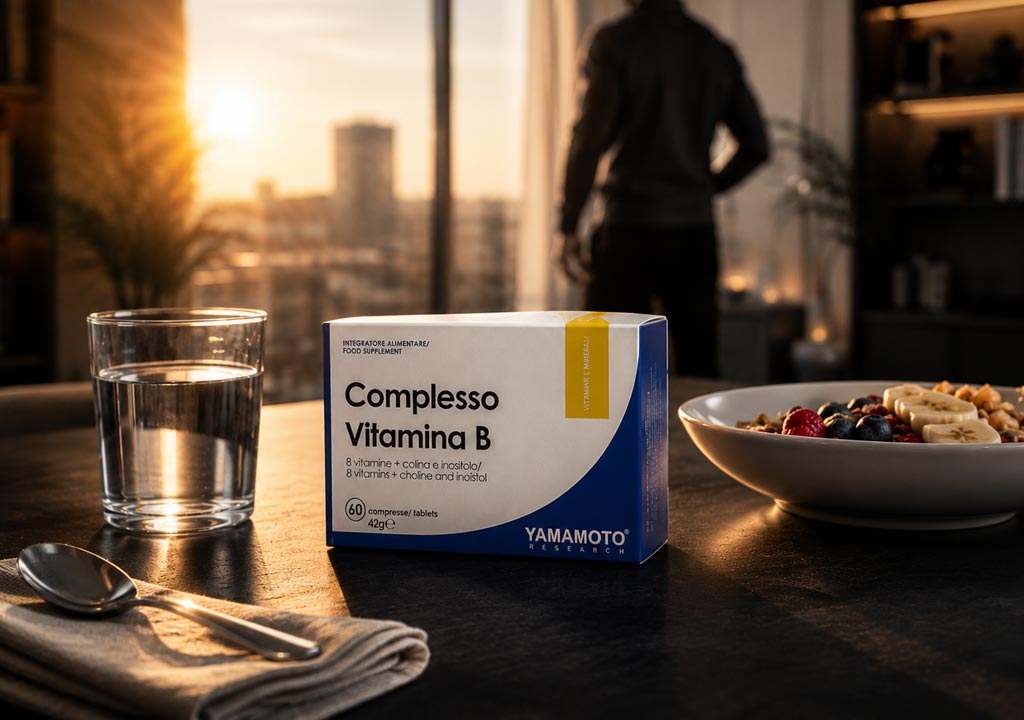
Top Sources of Vitamin B1, B2, B6, and B12
This vitamin B usage guide can help you identify reliable food sources for specific B vitamins:
- Vitamin B1 (Thiamine): whole grains, fortified cereals, pork, sunflower seeds, and legumes.
- Vitamin B2 (Riboflavin): dairy products, eggs, lean meats, almonds, and green vegetables such as spinach.
- Vitamin B6 (Pyridoxine): poultry, fish, bananas, potatoes, and chickpeas.
- Vitamin B12 (Cobalamin): meat, fish, eggs, dairy, and fortified plant-based foods like nutritional yeast and some cereals.
Common Side Effects of Vitamin B and How to Avoid Them
At recommended doses, B vitamins are well tolerated. Side effects usually appear only with high-dose supplements. The most common include:
- Bright yellow urine: harmless and caused by excess riboflavin (B2) being excreted.
- Skin flushing: warmth or redness, most often linked to high-dose niacin (B3).
- Nausea or stomach upset: more likely when supplements are taken on an empty stomach.
- Nerve tingling: associated with very high, long-term doses of B6.
To minimize these effects, take your supplement with food, stick to recommended dosages unless advised otherwise, and avoid stacking multiple high-dose products. If you experience persistent symptoms, stop and consult a healthcare provider.
Conclusion
Vitamin B is essential for energy production, nervous system health, metabolism, and overall health. Understanding the different B vitamins, their recommended daily intake, and their food and supplement sources can help you make better nutrition choices. This vitamin B usage guide emphasizes the importance of getting Vitamin B from a balanced diet whenever possible. However, supplements can be helpful when dietary intake is not enough.