

Vitamin C, also known as ascorbic acid, is an essential water-soluble vitamin and a powerful antioxidant. It also supports collagen synthesis, which keeps skin, bones, and wound healing healthy. On top of that, it improves iron absorption and helps reduce the risk of anemia. The body cannot produce or store vitamin C. That means you need a daily supply of fresh fruits, vegetables, or supplements. This Vitamin C usage guide covers everything you need to know about this vitamin. You will learn how to find your personal needs, how much to take by age and lifestyle, the best time and way to take it, and the foods that deliver it naturally.
What Is Vitamin C?
Vitamin C, also known as ascorbic acid, is one of the most important water-soluble vitamins. It plays a vital role in maintaining overall health. This vitamin is a powerful antioxidant that helps prevent disease by strengthening the immune system.
One of its key functions is supporting collagen synthesis. Collagen is a protein essential for healthy skin, strong bones, and wound healing. A sufficient intake also enhances iron absorption and helps reduce the risk of anemia. The human body cannot produce or store vitamin C; So daily intake is essential. As this Vitamin C usage guide explains, it should come from a balanced diet rich in fruits and vegetables, or from vitamin C tablets and supplements.
Determining Your Daily Vitamin C Needs
Your vitamin C needs depend on your age, sex, life stage, lifestyle, and health. Some people need more than the standard amount. To get the full vitamin C benefits, your intake has to keep pace with these factors. Some people need more than the standard amount. Smokers top the list, since smoking drains vitamin C. Pregnancy, breastfeeding, illness, surgery recovery, and high stress also raise needs. Older adults and people with digestive issues often absorb less.
Your body drops hints when levels are low. Periods of illness, recovery from wounds or surgery, and high physical or mental stress can also increase demand. People who eat few fresh fruits and vegetables are at a higher risk of falling short.
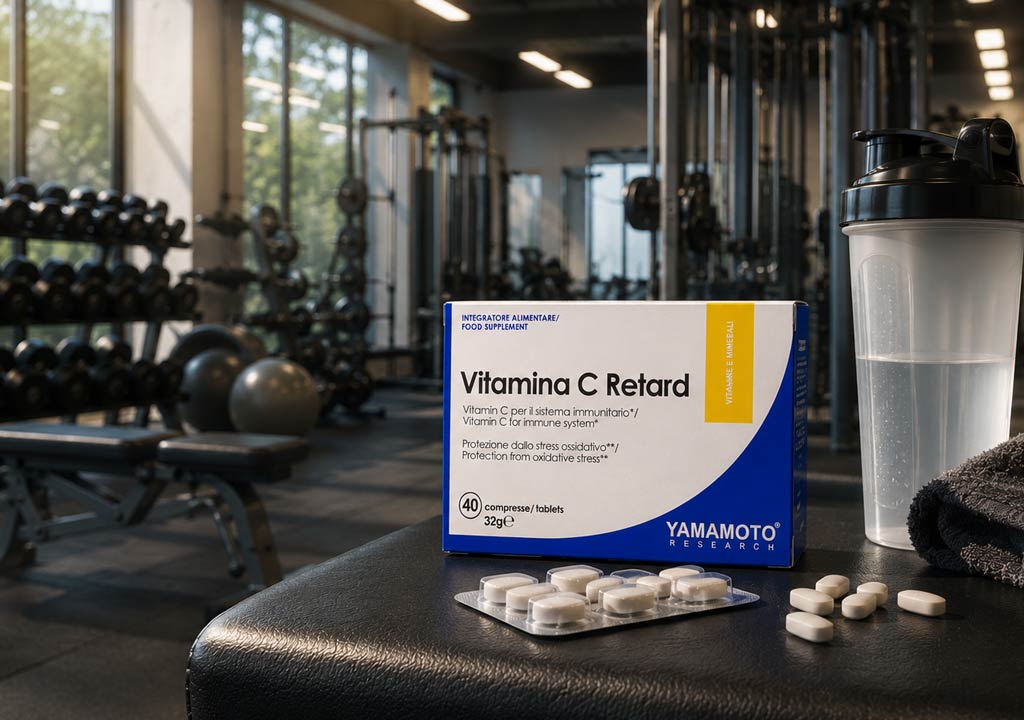
Recommended Vitamin C Dosages by Age and Lifestyle
Knowing the target amount of vitamin C for your group makes it easy to tell whether you are getting enough. As a quick reference for this Vitamin C usage guide, the following general daily amounts reflect widely used guidance for healthy individuals:
- Children (1–3 years): about 15 mg
- Children (4–8 years): about 25 mg
- Children (9–13 years): about 45 mg
- Teens (14–18 years): roughly 65–75 mg
- Adult women: 75 mg
- Adult men: 90 mg
- Smokers: an extra 35 mg on top of the standard amount
- Pregnancy: around 85 mg
- Breastfeeding: around 120 mg
A single orange or a serving of red bell pepper can cover an adult’s full daily requirement, which is why a balanced diet often meets the target without any supplement at all. For most adults, the safe upper limit is about 2,000 mg per day. Staying below this ceiling helps you avoid the digestive side effects—such as bloating, cramps, and diarrhea—that come with very high doses. It is also worth knowing that your body absorbs less vitamin C as the dose climbs, so megadoses largely pass through unused.
When and How to Take Vitamin C for Best Results
Vitamin C is water-soluble and not stored in bulk; timing and frequency influence how much you actually benefit from. Your body absorbs smaller amounts more efficiently than one large dose. So if you take a higher daily total, splitting it into two or three smaller servings across the day improves absorption and reduces waste.
Ascorbic acid is destroyed by heat, and prolonged storage and cooking can lower the vitamin C content of food. Steaming or microwaving causes fewer losses than boiling. Many of the richest sources, such as fruits and vegetables, are often eaten raw, which preserves their full value.
The good news for anyone following this Vitamin C usage guide is that you do not need much variety to hit your target. Eating five varied servings of fruits and vegetables a day can supply more than 200 mg of vitamin C.
Best Dietary Sources of Vitamin C
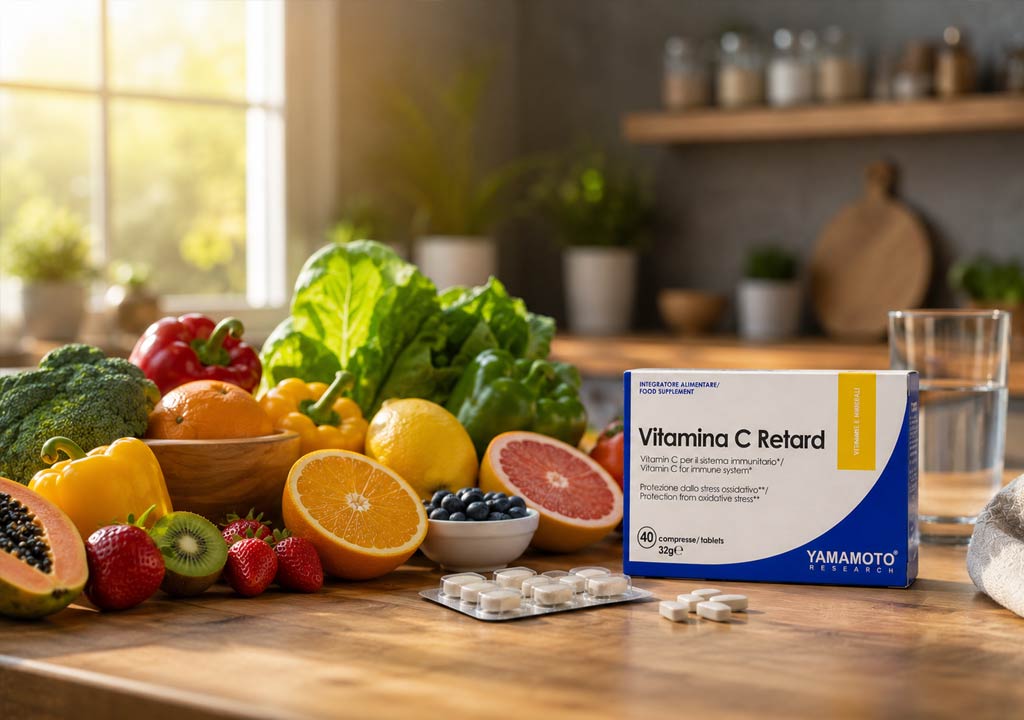
Vitamin C (ascorbic acid) is found in many fruits and vegetables. Some of the richest natural sources include:
- Citrus fruits
- Tomatoes
- Potatoes
- Red and green peppers
- Kiwifruit
- Broccoli and Brussels sprouts
- Strawberries
- Cantaloupe
- Orange, grapefruit, and tomato juice
Final Thoughts
Vitamin C is a foundational nutrient that supports your immune system, your skin, your blood vessels, and your body’s ability to absorb iron and heal. As this Vitamin C usage guide has shown, match your intake to your age and lifestyle. Lean on fresh fruits and vegetables as your main source. Cook them gently or eat them raw to keep their vitamin C intact. Split larger doses across the day for better absorption. You can reach for supplements where your diet leaves a gap, taking them with food and water. You do not need megadoses or perfect timing to benefit. In fact, your body absorbs less as the dose climbs.