


Protein is a vital macronutrient essential for muscle repair, growth, and overall health. Among the various protein supplements available, isolate protein, also known as whey protein isolate, has become a go-to choice for athletes, bodybuilders, and fitness enthusiasts alike. What sets it apart is its high protein concentration, often reaching 90–95%, making it one of the purest forms of protein on the market. In this guide, we’ll explore what iso protein is, its benefits, how it compares to whey concentrate, recommended intake levels, and what to look for when choosing a high-quality whey protein isolate.
What is Iso Protein?
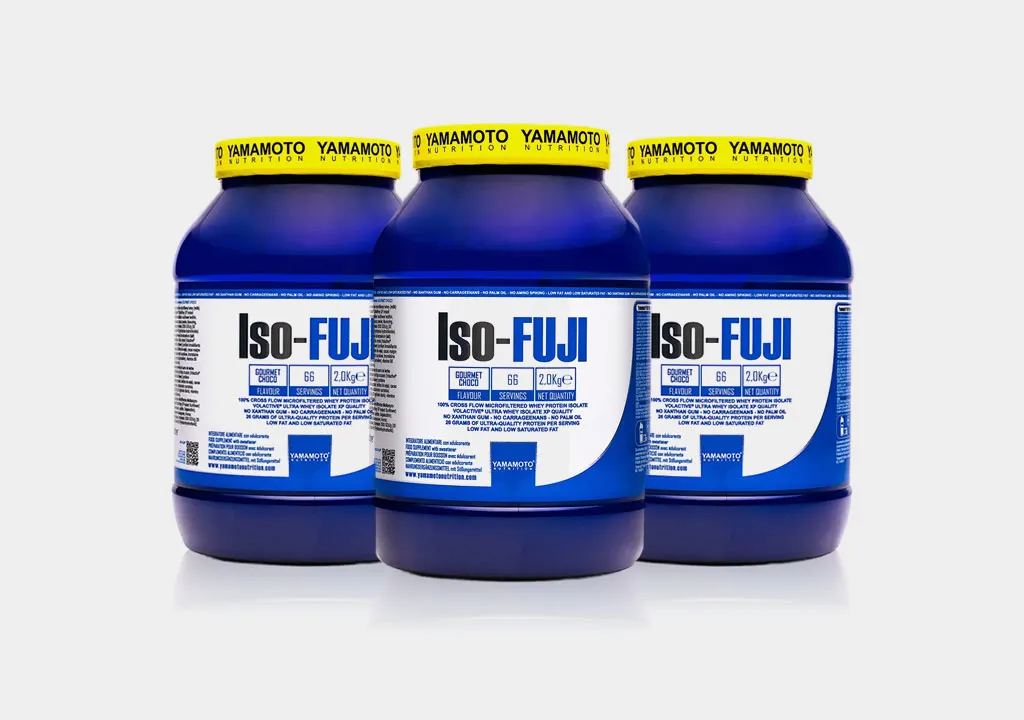
Iso protein refers to whey protein isolate, a highly refined form of whey protein derived from milk during cheese production. Through advanced filtration, most fat, lactose, and carbohydrates are removed, producing a leaner protein source with minimal extras and a high protein content. Compared with other whey forms, isolate contains more protein per serving and fewer calories, while still providing all essential amino acids required for muscle repair and growth.
Benefits of Isolate Protein
Whey protein isolate is widely used by athletes, fitness enthusiasts, and health-conscious individuals. Because it delivers high-quality protein with minimal extra calories from fat or carbohydrates. Key benefits of Iso Protein include:
- High Protein Content: Whey protein isolate typically contains a very high percentage of protein per serving, providing a concentrated source of essential amino acids that support muscle repair, growth, and overall body function.
- Low in Fat and Carbohydrates: The advanced filtration process removes most fats and carbs, making isolate protein a suitable option for people following calorie-controlled, low-fat, or low-carbohydrate diets.
- Fast Absorption: Isolate protein is quickly digested and absorbed by the body, which can help deliver amino acids to muscles soon after exercise and support recovery after training.
- Low in Lactose: Because most of the lactose is removed during processing, whey isolate is often easier to tolerate than other dairy-based proteins, especially for individuals with mild lactose sensitivity.
- Supports Weight Management: High-protein foods can help promote feelings of fullness and reduce hunger, making isolate protein a helpful addition to balanced nutrition plans focused on weight control.
- Versatile and Convenient: Whey isolate blends easily into shakes, smoothies, oatmeal, yogurt, and even baked recipes, making it a practical way to boost daily protein intake without complicated preparation.
How Much Isolate Protein Should You Take Daily?
The ideal amount of whey protein isolate varies by body weight, activity level, and fitness goals. Many active people aim for about 1–1.5 grams of protein per kilogram of body weight each day. Supplements should not replace whole foods. Whey isolate works best to fill gaps in your diet. It helps you reach your daily protein target. Use it alongside balanced meals and other protein sources.
Key Factors When Choosing a Whey Protein Isolate
With a wide range of whey protein isolate supplements available today, choosing the right one requires more than simply comparing prices or flavors. A high-quality product should provide pure protein, transparent labeling, and reliable manufacturing standards. By evaluating a few important factors, you can select a whey isolate that supports your nutrition goals while ensuring safety and value.
- Whey Protein Isolate as the Primary Ingredient: Check the ingredient list to make sure whey protein isolate appears first. This usually indicates a higher protein concentration and fewer unnecessary additives.
- Simple, Clean Ingredient List: Choose products with minimal ingredients and avoid those packed with artificial flavors, sweeteners, colors, or fillers. A cleaner formula often reflects better overall quality.
- Low Fat and Carbohydrate Content: Review the nutrition label to confirm that fat and carbohydrate levels are low, which is one of the defining features of whey protein isolate compared to other protein forms.
- Third-Party Testing and Certification: Look for brands that undergo independent testing by reputable organizations such as NSF Certified for Sport or Informed-Choice. These certifications help verify product purity, ingredient accuracy, and safety.
- Transparency and Brand Reputation: Trustworthy brands typically provide clear information about sourcing, manufacturing standards, and lab testing. Avitazen is a specialized online store in the UAE that focuses on providing high-quality vitamins, supplements, and wellness products.
What is the Difference Between Isolate and Concentrate?
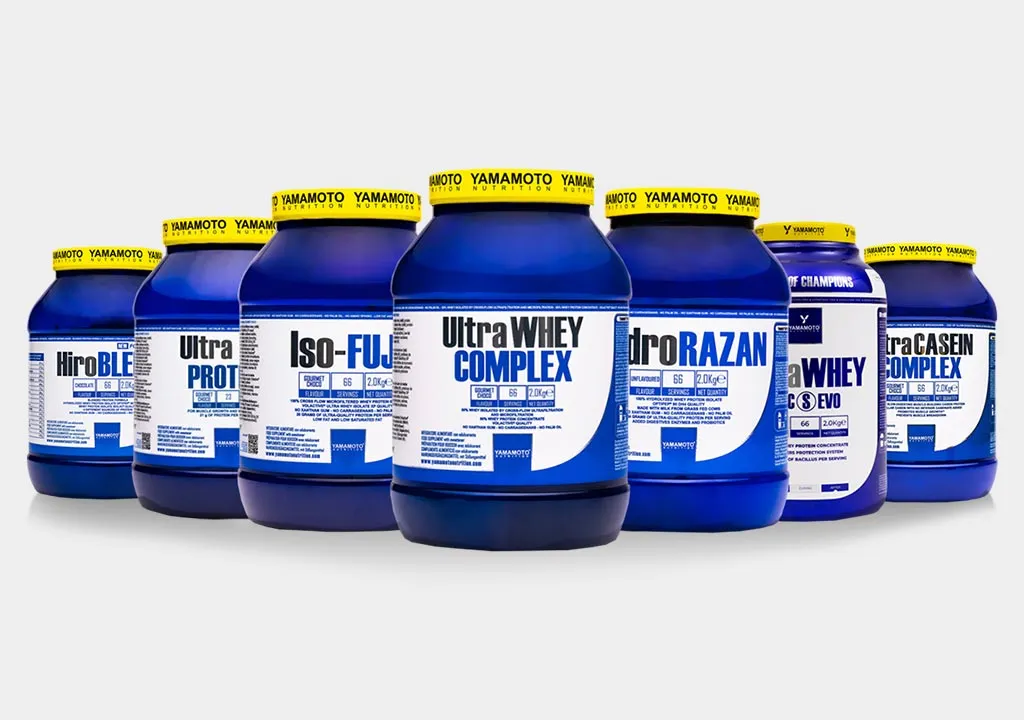
Whey protein isolate and whey protein concentrate both come from the same source, but they differ mainly in how they are processed and in their nutritional composition. Understanding these differences can help you choose the option that best fits your diet, fitness goals, and digestion preferences.
- Protein Content: Whey protein isolate generally contains a higher percentage of protein, often around 90% or more, while whey protein concentrate usually provides about 70–80% protein. This means isolate delivers more protein per serving with fewer additional nutrients.
- Processing Method: Isolate goes through extra filtration steps that remove more non-protein components. Concentrate is less processed, which allows it to retain more of the naturally occurring compounds found in whey.
- Fat and Carbohydrate Levels: Because of the additional processing, isolate contains very low amounts of fat and carbohydrates. Concentrate typically has slightly higher levels of both, which can contribute to extra calories.
- Lactose Content: Whey isolate has most of the lactose removed, making it easier to tolerate for people with mild lactose sensitivity. Concentrate retains more lactose and may not be suitable for everyone with dairy intolerance.
- Taste and Texture: Concentrate often has a creamier texture and fuller flavor due to its higher fat content, while isolate tends to be lighter and less rich.
- Cost Difference: Since isolate requires more processing, it is usually more expensive than concentrate, even though both provide high-quality protein and similar amino acid profiles.
Conclusion
Iso protein, or whey protein isolate, is a purified, high-protein supplement designed to support muscle recovery, fitness performance, and daily protein intake. Its low lactose content, fast absorption, and concentrated protein levels make it a popular choice among athletes and people seeking efficient nutrition support. While isolate offers clear advantages in purity and digestion, both isolate and concentrate remain effective protein sources; the best option ultimately depends on personal dietary needs, budget, and overall protein intake goals.