

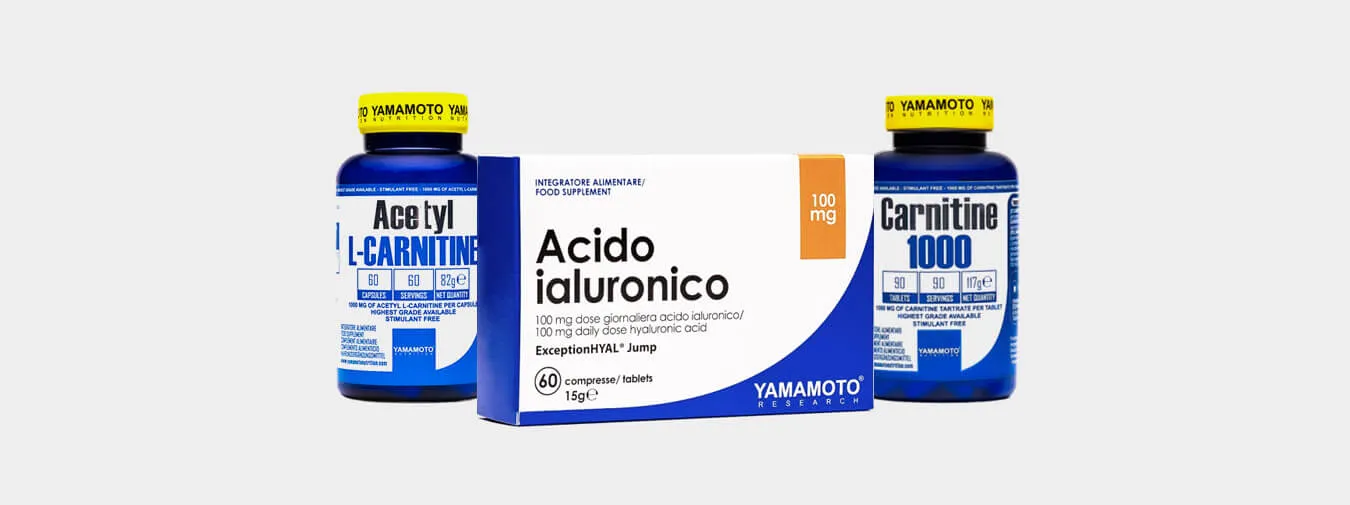
Carnitine is a naturally occurring compound that plays a crucial role in the body’s energy production and fat metabolism. It is often found in foods such as red meat and is also available as a supplement. Many health enthusiasts and athletes take carnitine to enhance performance, support fat loss, and promote overall well-being. In this article, we will explore the carnitine benefits, its impact on brain, heart, and muscle health, and how it may help in managing conditions such as Type 2 diabetes and depression. We will further explore potential side effects and suggest daily dosages for maximum effectiveness.
What is Carnitine?
Carnitine is a naturally occurring compound that plays a key role in the body’s ability to burn fat and produce energy. It is synthesized from lysine and methionine amino acids and stored mainly in muscles, heart, brain, and kidneys. Its main function transport fatty acids into the mitochondria, where the mitochondria use them to generate energy. Beyond its role in fat metabolism, carnitine also supports muscle function and helps regulate glucose metabolism. The body can produce carnitine naturally or obtain it from dietary sources such as red meat, poultry, fish, and dairy.

The Benefits of Carnitine
Carnitine has garnered attention for its numerous health benefits. Below, we’ll explore the carnitine benefits and how it can impact various aspects of your health and well-being.
Supports Brain Health and Function
L-carnitine, particularly in its acetyl form, supports brain health and cognitive function. Research suggests that ALCAR may play a crucial role in preventing age-related mental decline and improving cognitive performance. It works by supporting mitochondrial function in brain cells, which is essential for maintaining energy production and overall brain health. The carnitine benefits are particularly evident in its ability to enhance cellular energy in the brain, which directly influences mental clarity and focus.
A notable study conducted in 2018 found that taking 1,500 milligrams of ALCAR daily for 28 weeks resulted in significant improvements in brain function among individuals with dementia. The results of this study highlighted ALCAR’s potential to enhance cognitive abilities, particularly in older adults experiencing mental decline.
Promotes Cardiovascular and Heart Health
L-carnitine has shown potential in promoting heart health by positively impacting several key aspects of cardiovascular function. Research indicates that L-carnitine may help improve heart function, reduce blood pressure, and support healthy cholesterol levels, making it a valuable supplement for those looking to protect their heart.
For example, a 2019 review found that L-carnitine may have a positive effect on cholesterol levels. Specifically, it was found to reduce total and LDL (bad) cholesterol while increasing HDL (good) cholesterol in people at risk for heart disease. This balance is crucial for preventing plaque buildup in the arteries, which can lead to atherosclerosis and other heart complications.

Enhances Exercise Performance
Evidence on L-carnitine’s impact on exercise performance is mixed. However, some studies suggest it may help with muscle recovery and endurance. A 2021 review noted benefits like improved muscle oxygen supply, faster recovery, and enhanced exercise performance, endurance, and power.
L-carnitine’s effects may not always be immediate, as its benefits could take weeks or even months to become noticeable. Instead, the carnitine benefits on endurance and muscle recovery may be more gradual and cumulative over time.
Beneficial for People with Type 2 Diabetes
L-carnitine may offer several benefits for individuals with type 2 diabetes. A 2023 review concluded that L-carnitine supplementation could help lower fasting blood sugar levels and reduce hemoglobin A1c, both of which are important markers for managing diabetes. Additionally, studies show that L-carnitine improves insulin sensitivity, especially in people with higher weight, a factor often associated with type 2 diabetes.
The way L-carnitine exerts these effects is believed to be through its influence on insulin receptors and its ability to modify the expression of genes that regulate sugar metabolism. By improving how the body responds to insulin, L-carnitine can help control blood sugar levels more effectively. Moreover, L-carnitine may support the function of beta cells in the pancreas, which are responsible for producing insulin. A healthier function of these cells is essential for maintaining proper insulin production, a key aspect of managing diabetes.

Alleviate Symptoms of Depression
L-carnitine, specifically in its acetyl form, may offer relief for individuals struggling with depression. A 2018 review highlighted promising evidence suggesting that ALCAR can significantly reduce symptoms of depression compared to a placebo. This makes it a potential alternative or complementary option for those dealing with mood disorders. One of the key carnitine benefits is its ability to improve brain function and mood, which may help those with depressive symptoms.
Several studies included in the review found that acetyl-L-carnitine was as effective as traditional antidepressant medications in alleviating depressive symptoms. However, one of the major benefits of ALCAR was that it caused fewer adverse effects, making it a more tolerable option for some individuals.
Support Fat Loss
L-carnitine is often touted as a helpful supplement for fat loss due to its role in transporting fatty acids into the mitochondria. This process allows the body to use fat more efficiently for fuel, especially when combined with regular exercise. Because of this, L-carnitine is commonly used by individuals looking to support their weight management goals.
Promote Muscle Growth
Fitness enthusiasts widely use L-carnitine to support muscle growth and recovery. A 24-week study in healthy women showed an increase in muscle mass with L-carnitine supplementation, though muscle strength did not significantly improve. This suggests L-carnitine may boost muscle size, but its impact on strength gains is limited.
Beyond muscle growth, L-carnitine is also thought to aid in muscle recovery, a critical component of any workout regimen. It may facilitate the repair of muscle fibers by improving blood flow, which enhances the delivery of oxygen and essential nutrients to muscle tissues. This improved circulation can help reduce post-exercise soreness and speed up recovery, allowing for better performance during subsequent workouts.
Improve Male Fertility
L-carnitine, particularly when taken alongside acetyl-L-carnitine, has shown promise in improving male fertility. Research suggests that supplementation with L-carnitine can help increase both sperm count and motility, which are critical factors for male fertility. Sperm motility, or the ability of sperm to move effectively, plays a key role in successful fertilization, and low motility is often a contributing factor to infertility.
Side Effects of Carnitine
L-carnitine is safe for most people when taken in doses of 2 grams (2,000 mg) or less daily. Common side effects include heartburn and indigestion. Higher doses, up to 4,500 mg per day, may increase the risk of adverse effects. Long-term or excessive use can raise trimethylamine-N-oxide (TMAO) levels, which may increase the risk of atherosclerosis and heart issues. L-carnitine is safe for most people when taken in doses of 2 grams (2,000 mg) or less daily. Common side effects include heartburn and indigestion. Higher doses, up to 4,500 mg per day, may increase the risk of adverse effects. Long-term or excessive use can raise trimethylamine-N-oxide (TMAO) levels, which may increase the risk of atherosclerosis and heart issues. It’s always advisable to consult a healthcare provider before starting L-carnitine supplementation, especially at higher doses, to ensure safety.

How much Carnitine should you take per day?
The optimal dosage of L-carnitine can vary depending on the specific form of carnitine and the health benefits you’re seeking. Studies have explored a range of dosages, with different forms being recommended for various purposes:
- Acetyl-L-carnitine (ALCAR): Known for its benefits on brain health and cognitive function, typical doses range from 500 to 3,000 mg per day.
- L-carnitine L-tartrate: This form is most commonly used to enhance exercise performance, with recommended dosages between 1,000 and 4,500 mg per day.
- Propionyl-L-carnitine: Often used for improving blood flow, particularly for individuals with high blood pressure or related conditions, a 2005 study used a dose of 2 grams (2,000 mg) per day.
Conclusion
L-carnitine is a versatile supplement that offers a range of health benefits. The different forms of carnitine are designed to support various health goals. One of the key carnitine benefits is its ability to aid in fat burning, which can be particularly useful for those looking to improve body composition or increase endurance. While generally safe for most people when taken in appropriate doses, it’s essential to be mindful of potential side effects, especially with long-term use. As with any supplement, it’s always wise to consult with a healthcare provider to determine the right form and dosage for your specific needs. With the proper approach, L-carnitine can be a valuable addition to a healthy lifestyle and fitness routine.