

Take hydrolyzed whey protein after training, alongside breakfast or between meals when you need help meeting your daily protein intake. For healthy adults who exercise regularly, a meal or shake supplying around 20–40 grams of high-quality protein is a useful general reference. The amount of powder needed depends on the product’s protein content.
Plan the manufacturer’s recommended serving around the meals you already eat. Training time, the meal before your session and digestive comfort determine when that serving fits best.
What Is Hydrolyzed Whey Protein?
Hydrolyzed whey is a milk-derived protein that has undergone enzymatic hydrolysis. During this process, some of the bonds in the protein are broken, producing shorter amino acid chains called peptides. This gives the powder its characteristic partially digested structure.
Whey supplies all nine essential amino acids, including leucine, which participates in the signalling that stimulates muscle protein synthesis. Hydrolysis changes the structure of the protein; filtration determines features such as how concentrated the protein is. A whey isolate can therefore also be hydrolyzed. Fat, carbohydrate and lactose content depend on the starting material and finished formula.
For someone training regularly, hydrolyzed whey offers a convenient way to deliver dietary protein. Muscle gain develops through repeated training and adequate nutrition over time, with the shake contributing to the day’s total intake.
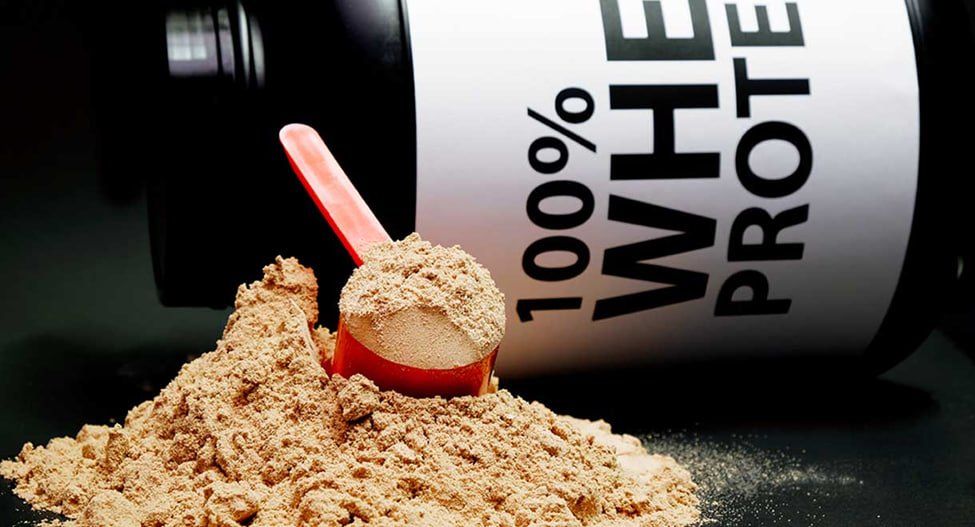
How Much Hydrolyzed Whey Protein Should You Take?
Establish Your Daily Protein Intake
The International Society of Sports Nutrition recommends approximately 1.4–2.0 grams of protein per kilogram of body weight each day for most healthy exercising adults. That total includes protein from meals, snacks and supplements.
For an 80-kilogram adult, this range corresponds to 112–160 grams daily. A working target of 1.6 grams per kilogram would provide 128 grams. The appropriate point within the range depends on training demands, food intake and the person’s goal.
Consider an illustrative day supplying 30 grams at breakfast, 35 grams at lunch and 39 grams at dinner. Those meals provide 104 grams altogether. A shake containing 24 grams of protein brings the day to 128 grams. This example shows how a measured serving can complete an existing meal pattern.
Calculate the Protein in Each Serving
Serving weight and protein content describe different quantities. The serving weight includes flavourings and other ingredients as well as protein. A 30-gram portion of powder may therefore deliver less than 30 grams of protein.
Use the nutrition panel’s protein figure when calculating your daily total. The general 20–40-gram reference concerns actual protein from the complete meal or feeding. Your product’s directions determine how much of that powder to use. Combining a recommended serving with food can help meet a meal’s protein needs.
When Is the Best Time to Take Hydrolyzed Whey Protein?
The meal around your workout gives useful context. After an early session completed without breakfast, protein fits naturally into the first meal that follows. If you ate a substantial protein-containing meal before training, your next normal meal can provide the next serving.
A 2025 systematic review and meta-analysis published in Nutrients directly compared protein intake before and after exercise. It found no significant difference in lean body mass between those timings. The review supports flexibility around training. Its findings concern protein supplementation across different products.
| Your routine | A practical place for the serving |
| Early workout before breakfast | Include the shake in your first meal after the session. |
| Training several hours after lunch | Use it before or after training, according to appetite and comfort. |
| Protein-containing meal shortly before exercise | Continue with the next planned protein-containing meal. |
| Rest day with a low-protein breakfast | Use the serving alongside breakfast or another meal that needs protein. |
A post-workout shake is particularly convenient when the journey home or a busy schedule delays a meal. The NIH Office of Dietary Supplements describes the first two hours after exercise as a useful period for protein intake, while also discussing the wider recovery response that continues afterwards.
Before training, allow enough time for the drink to feel comfortable during movement. A large shake combined with a full meal can feel heavy. If you prefer to train with less in your stomach, move the serving to the meal after your session.
How to Mix Hydro RAZAN
Yamamoto’s Hydro RAZAN directions specify 30 grams of powder in 250 millilitres of water, taken once daily. The vanilla formula provides 24 grams of protein per 30-gram serving. You can view Hydro RAZAN hydrolyzed whey protein at Avitazen for the available product.
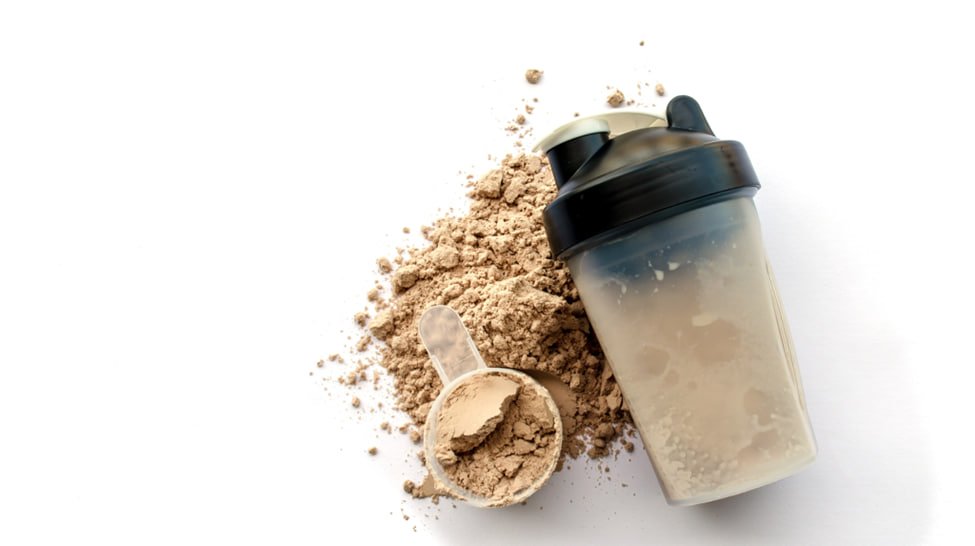
1. Pour 250 millilitres of water into a clean shaker.
2. Measure 30 grams of powder. The manufacturer’s directions equate this to three scoops.
3. Add the powder, close the shaker securely and shake until evenly mixed.
4. Take one prepared serving daily at your chosen time.
A kitchen scale helps establish the correct powder weight when you first open a tub. Scoop dimensions differ between products, and a heaped scoop can contain more powder than expected. Use the scoop and directions supplied with your own pack.
The serving contributes 24 grams to your daily protein calculation when prepared with water. Any milk, yogurt or other ingredient added to it contributes its own nutrients and calories.
Taking Hydrolyzed Whey on Rest Days
Muscle recovery continues between workouts, so protein remains part of the day’s meals. Keep a consistent protein intake across the week and adjust the shake to what you actually eat.
Breakfast is often a convenient place to use hydrolyzed whey. A serving alongside oats, toast or fruit adds protein to a meal that may otherwise contain relatively little. On a day when eggs, dairy, fish, meat or plant proteins already cover your needs, you can meet the same target through those foods.

The shake can also serve as a practical option during travel or a working day with limited access to food. Carry the measured powder separately and add water when you are ready to drink it. This keeps preparation straightforward and makes the serving easier to account for.
Should You Mix Hydrolyzed Whey With Water or Milk?
Water follows the Hydro RAZAN preparation directions and keeps the drink’s nutrient content equal to the powder’s stated serving. It also gives a lighter texture, which some people prefer close to training.
Milk adds protein, carbohydrate and calories, with the amounts depending on the type and quantity used. That can suit someone who wants a more substantial snack or needs extra energy. For a flavoured powder, milk also changes the taste and thickness.
If you use a plant-based drink, its protein content can vary considerably. Include the carton’s nutrition information in the calculation. A shake blended with oats, nut butter and fruit becomes a larger food serving, so account for the complete recipe when planning meals.
Digestive Comfort and Milk Allergens
Digestive tolerance depends on the formula, serving size and what accompanies the shake. Large portions, the milk used for mixing and certain added ingredients can contribute to bloating or discomfort. Prepare the recommended serving and notice whether symptoms follow the powder itself or the full recipe.
Hydrolysis acts on protein, while lactose is a milk sugar. The word “hydrolyzed” alone does not specify the lactose content. People managing lactose intolerance need a product whose declared lactose content suits them, along with a suitable mixing liquid.
Sports whey powders remain milk-derived products and are unsuitable for people with a milk protein allergy. The official Hydro RAZAN ingredient list also identifies soy lecithin. Persistent digestive symptoms deserve medical assessment. People with kidney disease need an individual protein target established as part of their care.
Best Practices for a Consistent Protein Routine
· Include protein at several meals across the day. Spacing protein-containing meals by roughly three to four hours can provide a workable routine.
· Record the protein supplied by the full serving, including any food or drink used to prepare it.
· Use the product within its recommended daily amount and keep ordinary meals varied.
· After demanding training, include the carbohydrate, fluid and food needed for recovery alongside protein.
· Wash the shaker after use and keep the powder dry, with the lid closed and storage conditions matching the pack.
Frequently Asked Questions About Taking Hydrolyzed Whey Protein
Can I Take Hydrolyzed Whey on an Empty Stomach?
Healthy adults can use it without a meal if they tolerate the product. After an early workout, it can be taken with breakfast. If drinking it alone causes discomfort, try placing the recommended serving alongside food.
Do I Need It Both Before and After Training?
There is no general requirement for a shake at both times. Plan the recommended serving around your meals and daily protein intake. Hydro RAZAN’s listed directions specify one serving a day.
Can I Drink Hydrolyzed Whey Before Bed?
An evening serving can help complete your daily protein intake. Casein digests more slowly and has been studied specifically for overnight protein supply. Choose the evening food or supplement that suits your needs and digestion.
Do I Need Extra BCAAs With Hydrolyzed Whey?
Whey already supplies the essential amino acids, including the three BCAAs. A sufficient intake of complete dietary protein provides those amino acids together, so an additional BCAA product is not automatically needed with the shake.
Can a Whey Shake Replace a Complete Meal?
A whey shake mainly contributes protein. A complete meal also supplies energy, fibre and a broader range of nutrients. You can pair a shake with other foods when building breakfast or a snack.