

Oily fish, UV-exposed mushrooms and vitamin D-fortified foods make the biggest contribution to a vitamin D-focused shopping list. Eggs add a smaller amount. For milk, yogurt, cereal and plant-based drinks, the amount often depends on what the manufacturer has added.
This makes vitamin D different from nutrients found widely across fruit and vegetables. A colourful plate can supply plenty of fibre, vitamin C and other nutrients while containing very little vitamin D. Choosing a few specific foods makes a greater difference than simply adding more produce.
Vitamin D Food Sources at a Glance
The same weight of two foods can provide very different amounts of vitamin D. Start with the portion you would actually eat.
| Food | Reference portion | Approximate vitamin D |
| Rainbow trout, freshwater | 3 oz, about 85 g | 645 IU |
| Salmon, various types | 3 oz, about 85 g | 383–570 IU |
| Sardines, canned | 3 oz, about 85 g | 164 IU |
| Fortified unsweetened soy beverage | 1 US cup | 119 IU |
| Fortified low-fat milk | 1 US cup | 117 IU |
| Fortified plain low-fat yogurt | 8 oz | 116 IU |
| Fortified 100% orange juice | 1 US cup | 100 IU |
| Egg, large, scrambled | 1 egg | 44 IU |
Examples use USDA standard-portion data and NIH food-composition information. Fortified products must contain added vitamin D. Values vary between products and natural foods; check the pack when available. One US cup is approximately 240 ml.
UV-exposed mushrooms are considered separately below because their vitamin D content varies especially widely. The pack’s declared amount is more useful than a generic value for “mushrooms.”
Eight Food Sources to Include in Your Meals
1. Oily Fish
Salmon, trout, sardines, herring and mackerel offer some of the most useful natural sources of vitamin D. They can form the main protein component of a meal, making them straightforward to include at lunch or dinner.
Choose a fish you enjoy and can prepare regularly. Salmon works well baked with potatoes and vegetables. Canned sardines can go on wholegrain toast, through tomato pasta or into a salad with beans. Trout can replace salmon in many oven-baked dishes.
The amount of vitamin D differs between species and preparations. Use a matching food entry when estimating intake: a figure for cooked trout cannot describe every fish fillet. Canned fish also comes in different pack sizes, so check the drained portion you use.
2. Egg Yolks
Eggs provide vitamin D mainly through the yolk. An egg-white omelette therefore contributes very little vitamin D, even though it still supplies protein.
The amount in an ordinary egg is modest compared with a portion of oily fish. Feed and farming conditions can also affect the vitamin D content. Eggs specifically sold as enriched should be assessed using their own nutrition information.
For a practical breakfast, pair a whole egg with wholegrain toast and a fortified drink. At lunch, add a boiled egg to a grain bowl or use whole eggs in a vegetable frittata. These combinations bring several foods together without requiring a larger egg portion just to increase vitamin D.
3. UV-Exposed Mushrooms
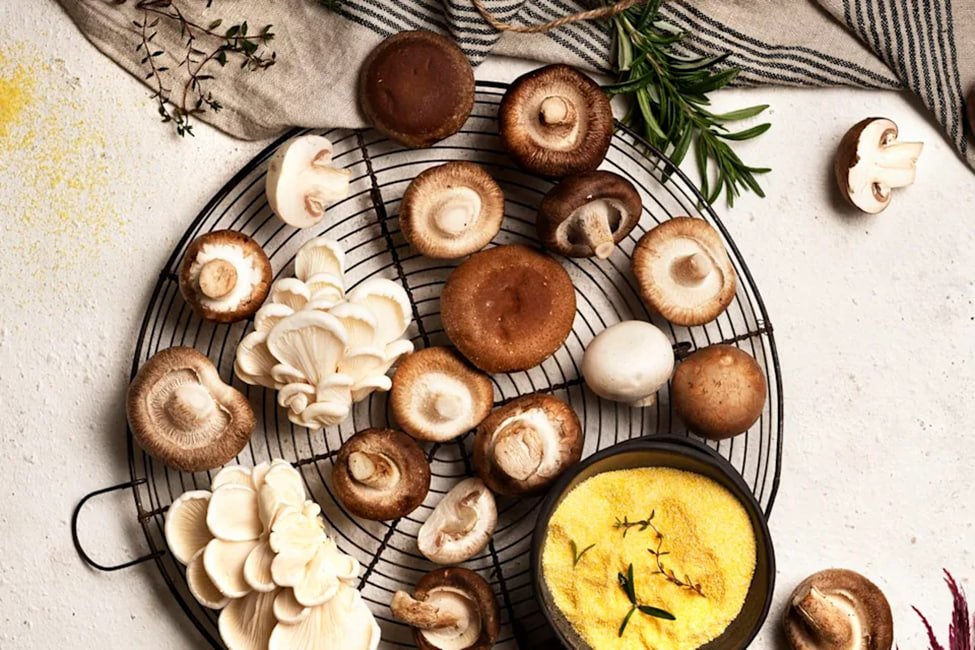
Mushrooms produce vitamin D2 when exposed to ultraviolet light. This makes UV-treated mushrooms a particularly useful option for people who eat little or no fish.
Ordinary mushrooms and vitamin D-enriched mushrooms can look identical. Look for wording such as “UV-treated” or “vitamin D-enriched,” followed by a declared vitamin D amount. A large punnet of standard button mushrooms should not automatically be counted as a high-vitamin D food.
Add the labelled variety to an omelette, a lentil sauce, a soup or a tray of roasted vegetables. Choose the portion using the pack’s information. Home sun-exposure methods produce variable results, so they do not provide a dependable amount for calculating intake.
4. Fortified Cow’s Milk
Milk provides calcium and protein, but its vitamin D contribution depends heavily on fortification. Some countries routinely fortify milk, while others do not. The NHS specifically notes that ordinary cow’s milk in the UK is generally a poor source of vitamin D because it is usually unfortified.
In the UAE, compare the products available on the shelf using their labels. Fresh, long-life, organic and full-fat are product descriptions; none establishes the amount of added vitamin D.
Fortified milk can be used in porridge, cereal or a milk-based drink. Check the amount per 100 ml if you are comparing cartons, then calculate the contribution from the quantity you normally use.
5. Fortified Plant-Based Drinks
Soy, oat, almond and rice drinks can contribute vitamin D when it has been added during production. Their ingredients differ, so compare vitamin D alongside calcium, protein and added sugar.
A homemade nut drink generally will not have the same added nutrients as a fortified supermarket version. Likewise, switching between two commercial brands can change your vitamin D intake even if you pour the same amount.
For a vegan diet, check the source of any added vitamin D as well. D2 is suitable for vegan diets; D3 can be sourced from animals or from lichen. A vegan designation on the product helps resolve that distinction.
Use the drink in a meal you already eat regularly, such as oats or cereal. A splash in coffee makes a much smaller contribution than the full serving shown on a label.
6. Fortified Yogurt
Yogurt is another convenient way to include added vitamin D, particularly if you prefer eating breakfast to drinking milk. Fortification varies considerably between products, including within the same brand.
Check the pot size and the declared serving. A nutrition panel stated per 100 g will need adjusting if your pot contains a different amount. Plain yogurt with added vitamin D can be paired with oats, nuts or fruit; compare sweetened products using their added-sugar information where available.
The presence of fruit in a yogurt does not explain its vitamin D content. Any meaningful added amount comes from fortification.
7. Fortified Breakfast Cereals
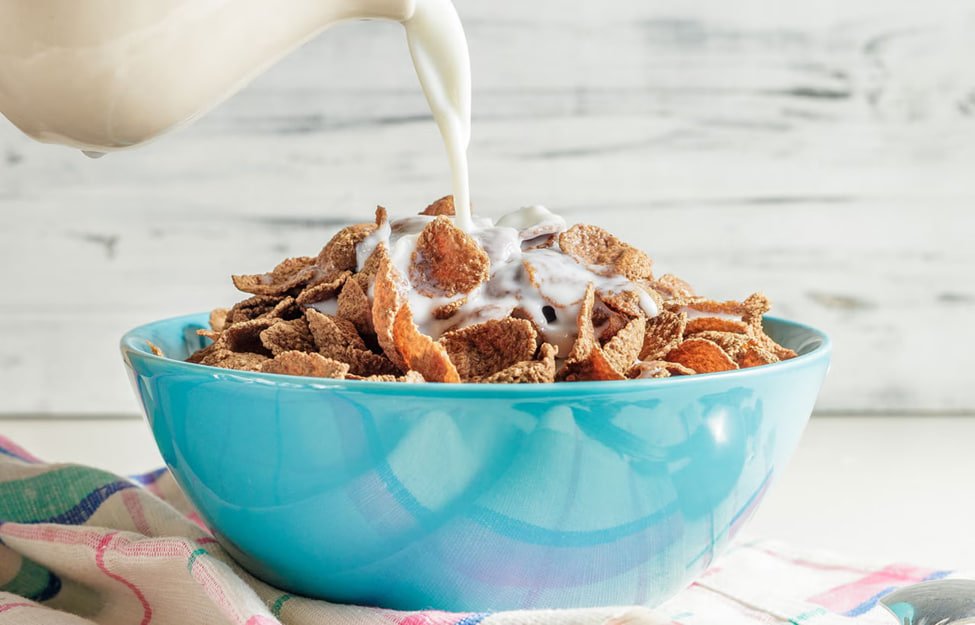
Fortified cereals can add vitamin D to a familiar meal. Their usefulness depends on both the added amount and the portion you eat.
Compare products per 100 g where possible, then look at your usual bowl size. A cereal advertised with a vitamin claim may also contain substantial added sugar, so consider fibre, wholegrain content and sugar alongside vitamin D.
Pairing a fortified cereal with fortified milk or a fortified plant drink combines two labelled sources. Plain oats remain a useful wholegrain choice, but they should not be assigned the vitamin D value of an enriched breakfast cereal.
8. Fortified Orange Juice
Fresh oranges and freshly squeezed orange juice do not naturally supply meaningful amounts of vitamin D. Some packaged juices have vitamin D added, making fortification the reason they appear in food-source lists.
Use the nutrition panel to establish the amount. “100% juice,” “fresh” and “no added sugar” do not mean that vitamin D has been added.
A labelled fortified juice can contribute to intake if you already drink juice. It is one option among several; there is no reason to increase juice consumption simply to obtain vitamin D when another fortified food fits your meals better.
Which Fruits and Vegetables Contain Vitamin D?
Common fruits and vegetables, including bananas, apples, oranges, spinach, broccoli and carrots, are not meaningful natural sources of vitamin D. Their other nutritional benefits remain valuable, but they should not be counted towards a vitamin D target.
Mushrooms are fungi, although they are usually grouped with vegetables in cooking. UV-exposed varieties are the important exception in a plant-based shopping basket.
An avocado can add fat to a meal, and leafy vegetables can contribute other nutrients. Neither supplies a replacement for vitamin D itself. Similarly, a fortified fruit drink contains vitamin D because it has been added, rather than because the original fruit was rich in it.
For vegetarian meals, focus on labelled mushrooms, fortified dairy or plant alternatives and eggs if included in your diet. For vegan meals, fortified foods deserve particular attention because the range of natural dietary sources is narrower.

How Much Vitamin D Do Adults Need?
Vitamin D helps the body absorb calcium and supports healthy bones and muscles.
According to the NIH Office of Dietary Supplements’ vitamin D guidance, US recommended daily amounts are 15 micrograms, or 600 IU, for adults aged 19–70, including during pregnancy and breastfeeding. Adults aged 71 and over need 20 micrograms, or 800 IU.
These are total daily intake reference amounts, covering food and supplements. They are not instructions to add that quantity as a supplement regardless of the rest of your intake.
National guidance differs. UK guidance uses 10 micrograms daily for adults. This explains why two otherwise reliable articles may quote different daily figures. Use the applicable guidance for your circumstances when planning intake.
Food labels may show micrograms, written as mcg or µg, or international units, written as IU. The conversion is:
- 1 microgram equals 40 IU.
- 10 micrograms equals 400 IU.
- 15 micrograms equals 600 IU.
- 20 micrograms equals 800 IU.
Read Vitamin D Labels Without Mixing Up the Numbers
Begin with the amount per serving and the size of that serving. A drink listing 1 microgram per 100 ml provides 2.5 micrograms in a 250 ml glass, equivalent to 100 IU.
Percentage figures need a little more context. US Nutrition Facts labels use a Daily Value of 20 micrograms for adults and children aged four and older. That labelling reference differs from the US recommended intake for an adult under 71. Other markets use different reference values.
Consequently, the stated micrograms or IU are the clearest way to compare products from different markets. Use matching quantities, such as per 100 ml, before comparing two drinks.
A short label check is usually enough:
- Confirm that vitamin D is listed and an amount is declared.
- Check whether the amount refers to 100 ml, 100 g or one serving.
- Compare the serving with the quantity you actually eat or drink.
- Read the wider nutrition panel, including sugar and calcium where relevant.
Put the Foods Together in Everyday Meals
A useful meal plan places vitamin D sources into meals you already make. There is no need for a separate “vitamin D diet.”
For breakfast, try fortified cereal with fortified milk or soy drink. If the cereal supplies 80 IU per serving and the drink supplies 120 IU in the amount used, that breakfast provides 200 IU, or 5 micrograms. This is a worked example using hypothetical labels; your products may supply different amounts.
For lunch, canned sardines with toast and a tomato salad offer a quick option. A vegetarian alternative could be an omelette containing labelled vitamin D-enriched mushrooms. For dinner, roast salmon or trout with vegetables and a grain or potato side.
On a vegan day, use fortified plant drinks or yogurt alternatives in regular meals and choose labelled UV-exposed mushrooms when available. Total the declared amounts rather than assuming that several plant foods will add up to a substantial vitamin D intake.
Vitamin D is fat-soluble. A meal containing some fat helps absorption, so mushrooms can be cooked with a little olive oil or included in a mixed meal. Adding large amounts of fat is unnecessary.
Sunlight and Vitamin D Production
The body produces vitamin D3 when ultraviolet B (UVB) rays reach exposed skin. The liver and kidneys then process it into forms the body uses to regulate calcium and support bone health. Sunlight therefore contributes to vitamin D status alongside food and supplements.
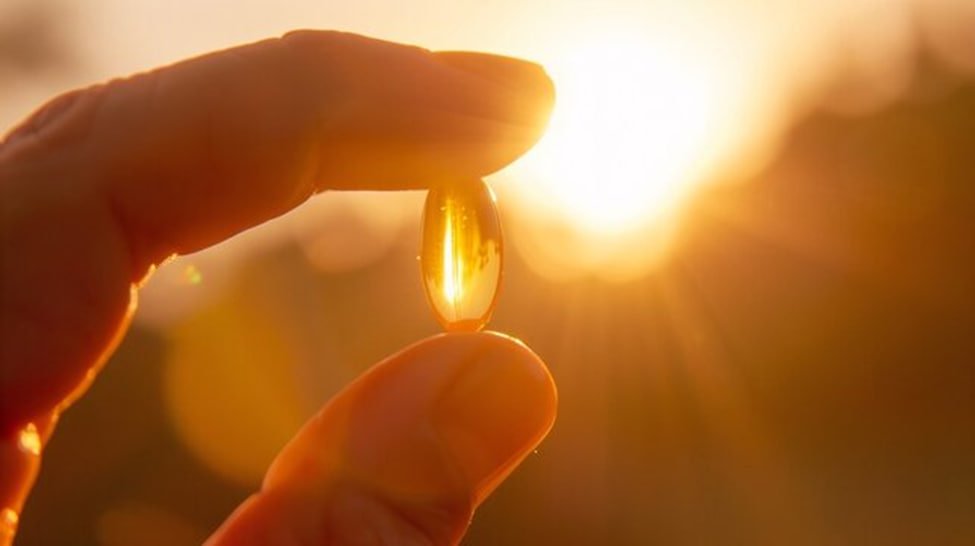
The amount produced depends on the season, location, time of day, skin pigmentation, age and how much skin is exposed. Even in sunny countries such as the UAE, spending most of the day indoors or wearing clothing that covers most of the skin can limit this contribution. Sitting beside a sunny window does not have the same effect because ordinary window glass blocks UVB rays.
These differences make a fixed recommendation such as “15 minutes of sunshine every day” unsuitable for everyone. Protect exposed skin with broad-spectrum, water-resistant sunscreen of SPF 30 or higher, use protective clothing and seek shade when appropriate. Deliberate tanning and sunbeds increase skin damage and skin-cancer risk. Vitamin D-rich foods, fortified products and supplements where needed provide additional ways to maintain intake when sunlight exposure is limited.
When Food Needs Additional Support
Getting enough from food is possible for some eating patterns, but the small number of concentrated sources makes it difficult for many people. Limited skin exposure to sunlight, older age and conditions that affect absorption can also influence vitamin D status.
Food changes can support intake, while a confirmed deficiency may require a treatment plan. Persistent bone pain or muscle weakness warrants assessment rather than a series of dietary guesses. Avitazen’s guide to vitamin D deficiency symptoms covers that related concern.
If a supplement is appropriate, check its amount alongside multivitamins, calcium combinations and other sources already in use. The adult upper intake limit is 100 micrograms, or 4,000 IU daily, from all sources; it is a safety ceiling, not a target. Higher prescribed treatment doses belong to an individual treatment plan.
Avitazen’s Yamamoto vitamin D product information provides the declared amount and directions for that specific formula. Choose the product amount in the context of your intake and any prescribed plan.
Frequently Asked Questions About Vitamin D Foods
Does full-fat milk contain more vitamin D than skimmed milk?
Fortification is more useful to check than fat percentage. A fortified skimmed milk can provide substantially more vitamin D than an unfortified full-fat milk. Compare the declared amounts per 100 ml.
Can ordinary mushrooms replace vitamin D-enriched mushrooms?
Their content can differ markedly. For a predictable food contribution, use a product that declares its vitamin D amount and follow its storage instructions. Appearance alone cannot establish whether mushrooms have received UV treatment.
Are cheese, butter and liver good choices for increasing vitamin D?
They can contain vitamin D, but their contribution is generally small compared with oily fish or suitable fortified products. Increasing butter or cheese portions is an inefficient way to raise intake. Liver is also high in preformed vitamin A and should be avoided during pregnancy.
Is cod liver oil the same as an ordinary fish-oil supplement?
Cod liver oil can contain vitamins A and D alongside fatty acids. Other fish oils may contain little or no vitamin D unless it has been added. Check the actual label, especially when combining it with another vitamin product. Avoid cod liver oil during pregnancy because of its vitamin A content.
Can food alone correct vitamin D deficiency?
A food record can show intake, but it cannot establish blood vitamin D status or the treatment needed for a diagnosed deficiency. Keep the dietary sources in place and follow the treatment and follow-up arranged for your condition.
Does vitamin D2 from mushrooms count towards daily intake?
Yes. Vitamin D2 is a usable form of vitamin D and contributes to intake. Count the amount declared for your portion of the mushrooms. Its presence does not mean that every mushroom variety or growing method provides the same quantity.