

The L-carnitine supplement is included in the category of semi-essential amino acids, which are necessary if the body does not produce L-carnitine naturally. Also, many athletes use this supplement to burn fat, build muscle, and prevent bruising and muscle fatigue. The best time to take L-carnitine tablets varies depending on each person’s physical condition and their purpose for taking this pill. In this guide, we’ll break down what L-Carnitine is, explore its different forms, and provide practical tips on when to take it.
What Is L-Carnitine?
L-Carnitine is a naturally occurring compound that plays a crucial role in fat metabolism and energy production within the body. Synthesized from the amino acids lysine and methionine, it is primarily stored in muscles, the heart, brain, and kidneys. The primary function of carnitine is to transport fatty acids into the mitochondria, where they are burned to produce energy.
Beyond its role in fat metabolism, L-Carnitine also supports muscle function and helps regulate glucose metabolism, making it an essential nutrient for overall energy and metabolic health. Although the body can produce L-Carnitine on its own, it can also be sourced from foods such as red meat, poultry, fish, and dairy products. Given its key role in energy production, L-Carnitine is widely used as a dietary supplement. It is particularly popular among athletes, fitness enthusiasts, and individuals aiming to manage their weight more effectively.

Different Types of L-Carnitine
L-Carnitine is available in several forms, each designed to support specific health and performance goals. Although all types contribute to energy metabolism, they differ in their absorption and their roles in the body. Understanding these differences can help you choose the most suitable form for your needs.
L-Carnitine L-Tartrate
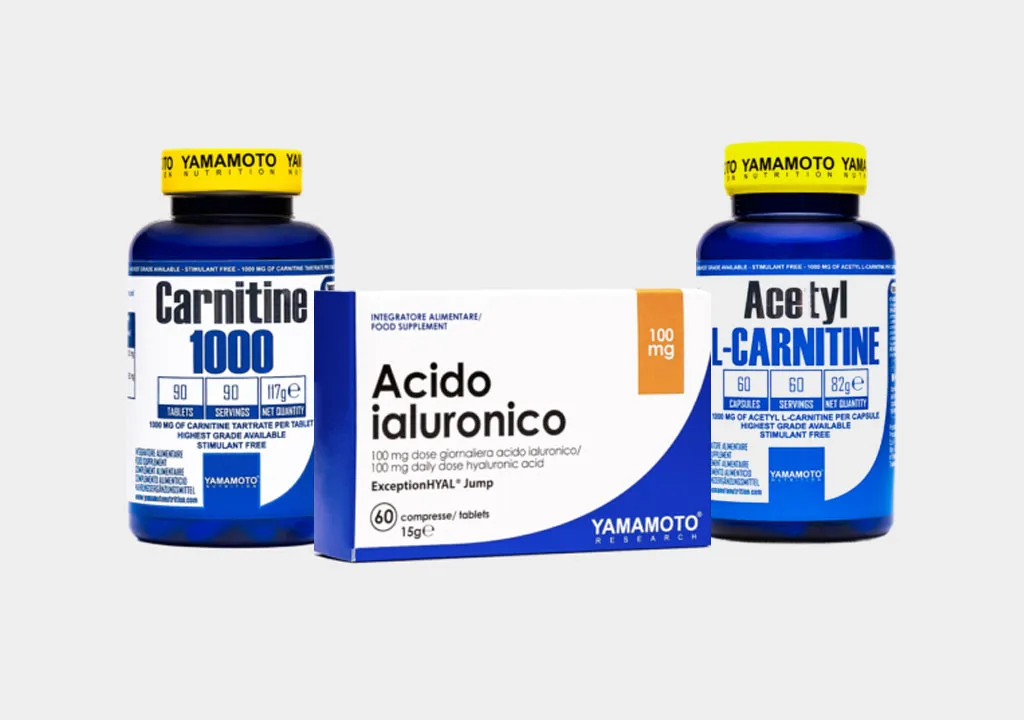
L-Carnitine L-Tartrate is a highly absorbable form commonly used to support exercise recovery. It has strong antioxidant properties that help reduce muscle damage and soreness after intense physical activity. Research, including a randomized double-blind, placebo-controlled trial with 80 participants aged 21 to 65, shows that five weeks of daily supplementation can significantly improve perceived recovery. This makes it a popular choice for athletes and active individuals looking to enhance muscle recovery and maintain training performance.
Acetyl-L-Carnitine (ALCAR)
Acetyl-L-Carnitine (ALCAR) offers the same metabolism and energy benefits as regular L-Carnitine but is more effective at crossing the blood–brain barrier. This allows it to directly support brain health and cognitive function, including memory and focus. It has also been studied for its potential benefits in neurodegenerative conditions like dementia and in mental health support, particularly for depression.
Propionyl-L-Carnitine
Propionyl-L-Carnitine supports vascular and circulatory health by promoting nitric oxide production, which improves blood flow. Studies suggest it may enhance exercise performance, particularly in those with lower-extremity peripheral artery disease (PAD), by increasing circulation and oxygen delivery to muscles.
D-Carnitine
D-Carnitine is not a beneficial form of carnitine and should not be used as a dietary supplement. Unlike L-Carnitine, it does not support energy metabolism and may interfere with the body’s ability to utilize the active form properly. Animal studies have shown that D-Carnitine can lead to unwanted fat accumulation in tissues, which may contribute to liver issues and increased oxidative stress. For safety and effectiveness, supplements should contain only the L-form of carnitine.
Benefits of L-Carnitine
L-Carnitine offers a range of benefits that support both physical performance and overall health:
- Enhanced Fat Metabolism: L-Carnitine helps the body convert stored fat into usable energy, making it a valuable supplement for weight management and achieving a leaner physique.
- Improved Endurance: By increasing fat oxidation, L-Carnitine helps preserve glycogen stores, allowing you to train longer and maintain energy during extended workouts.
- Faster Recovery: L-Carnitine L-Tartrate has been shown to reduce muscle damage and soreness after intense exercise, supporting quicker recovery between training sessions.
- Cognitive Support: Acetyl-L-Carnitine (ALCAR) benefits the brain by enhancing focus, alertness, and mental clarity, even during long or demanding workouts.
When Is the Best Time to Take L-Carnitine?
The best time to take L-Carnitine depends on your goals, workout schedule, and supplement form. L-carnitine works by helping your body convert fat into energy, so taking it at the right time can maximize fat burning, endurance, and recovery.
- Pre-Workout: Taking L-carnitine 30–60 minutes before exercise is ideal for fat loss and performance. Your body will have peak levels when it begins using fat as fuel. Pairing it with a small carbohydrate source, like a banana or oats, can improve absorption and energy availability.
- Post-Workout: If recovery is your priority, L-carnitine after training helps reduce muscle soreness, replenish energy, and support repair. This is particularly effective when combined with protein or other recovery supplements.
- Morning on an Empty Stomach: For all-day energy and consistent fat metabolism, taking L-carnitine in the morning on an empty stomach works best. It helps maintain energy levels and supports steady fat oxidation throughout the day, especially when paired with a protein-rich breakfast.
- Liquid Form: L-carnitine liquid is absorbed quickly, making it perfect for pre-workout use. Taking it 15–20 minutes before training maximizes fat-burning potential during cardio or fasted workouts.

Recommended Daily Dosage of L-Carnitine
The optimal dosage of L-Carnitine depends on the specific form you are taking and your health goals, as studies have used a wide range of doses.
- Acetyl-L-Carnitine (ALCAR): Primarily used for brain health and cognitive support, effective doses range from 500 to 3,000 mg per day.
- L-Carnitine L-Tartrate: Commonly used to enhance exercise performance and recovery, with doses typically between 1,000 and 4,500 mg per day.
- Propionyl-L-Carnitine: Often taken to support blood flow and cardiovascular health, especially in individuals with high blood pressure or circulatory issues. Research has used a dose of 2 g per day.
Conclusion
L-Carnitine is a powerful nutrient that plays a key role in energy production, fat metabolism, exercise performance, and cognitive function. With several forms available, choosing the right type and timing can help you maximize its benefits. In this article, we discussed the best time to take L-Carnitine, its benefits, the needed dossage and different types of it.