

Vitamin C is a water-soluble vitamin that the body cannot synthesize. It makes dietary intake or supplementation necessary to obtain its full benefits. This essential nutrient supports immunity, boosts collagen and skin health, protects the heart, balances metabolism, enhances brain function, and helps prevent chronic disease. Also, Vitamin C is key for both preventing inflammatory arthritis and maintaining healthy joints. In this article, we’ll explore what vitamin C is, examine its science-backed benefits, and review recommended daily intake levels.
What is Vitamin C?
Vitamin C, chemically known as ascorbic acid, is a water‑soluble vitamin that humans must obtain from their diet because they cannot synthesize it. It acts as a potent antioxidant, neutralizing free radicals and protecting cellular components from oxidative damage while also serving as a cofactor for enzymes that synthesize collagen, carnitine, and several neurotransmitters.
Dietary forms include ascorbic acid, sodium ascorbate, and esterified forms; all increase plasma ascorbate when consumed in adequate amounts. Deficiency manifests as scurvy, characterized by fatigue, bleeding gums, and poor wound healing, highlighting vitamin C’s central role in connective tissue integrity. Typical food sources delivering concentrated vitamin C per serving are citrus fruits, kiwifruit, red bell peppers, Brussels sprouts, and strawberries.
Different Types of Vitamin C
Vitamin C is available in several forms, each offering its own unique properties and benefits. Below are the most common forms of vitamin C found in supplements and foods.
Ascorbic Acid
Ascorbic acid is the most commonly used and affordable form of vitamin C, available in tablets, capsules, and powder. While it is synthetically produced, it is chemically identical to natural vitamin C and is widely used in research due to its consistency. However, its slight acidity can be harsh on the digestive system, especially for those with stomach issues. Studies also show that only about 30% of a given dose is absorbed, prompting exploration of other formulations with better absorption. Here are the mineral ascorbates:
Calcium Ascorbate
Calcium ascorbate is a buffered form of vitamin C that combines approximately 900 mg of ascorbate with 100 mg of calcium. It is a good choice for those who want to support bone health. It may help reduce the risk of osteopenia and osteoporosis. This form is less acidic than ascorbic acid. It is gentler on the stomach and causes less gastric irritation. A 2018 study showed that it has the same antioxidant power as ascorbic acid. It offers equal benefits with better digestive comfort.
Magnesium Ascorbate
Magnesium ascorbate combines about 900 mg of ascorbate with 50 to 100 mg of magnesium. It is ideal for people taking magnesium-lowering medications, such as acid reducers or diuretics. It may also benefit those with chronic headaches or frequent leg cramps. Magnesium deficiency can increase the risk of heart palpitations or arrhythmias. This form of vitamin C can help address that risk while providing antioxidant support.
Sodium Ascorbate
Sodium ascorbate contains about 900 mg of ascorbate and 100 mg of sodium. It is less acidic than ascorbic acid, making it easier on the stomach. However, people on a low-salt diet should avoid this form. Even small amounts of sodium can add up and affect daily limits. Most low-salt diets recommend keeping total sodium under 2,000 mg per day. This form is best suited for those who do not need to restrict their sodium intake.
Ascorbate and Vitamin C Metabolites
Ascorbate and Vitamin C Metabolites, often known by the brand Ester-C®, is a patented form of calcium ascorbate developed in the 1980s. It contains small amounts of vitamin C metabolites, including calcium threonate, xylonate, lyxonate, and dehydroascorbic acid. These additional compounds are believed to improve absorption and support higher vitamin C levels in the body compared to regular ascorbic acid.
A 2008 study compared calcium ascorbate with standard ascorbic acid. Blood serum vitamin C levels were similar in both groups. However, participants taking the calcium ascorbate formulation had higher vitamin C levels in their white blood cells (leukocytes), suggesting better cellular retention and potential immune benefits.
Vitamin C with Bioflavonoids
Vitamin C is often combined with antioxidants called bioflavonoids. This combination may improve absorption and reduce digestive discomfort. A 1988 study found that vitamin C with bioflavonoids was absorbed about 35% better than regular ascorbic acid. It is also gentler on the stomach, making it a good choice for people who experience gastric symptoms from standard ascorbic acid. This form provides both enhanced bioavailability and additional antioxidant support.
Liposomal Vitamin C
Liposomal vitamin C is a form designed for improved absorption. It uses a fat-soluble coating to allow ascorbic acid pass through the digestive tract more easily. Studies show that oral liposomal vitamin C raises blood levels higher than regular ascorbic acid, though still lower than intravenous vitamin C. A 2020 study in laboratory rats also found that liposomal vitamin C could reduce blood pressure at lower doses than standard vitamin C. This form is ideal for those seeking better bioavailability and enhanced cardiovascular support.
Ascorbyl Palmitate
Ascorbyl palmitate is a fat-soluble form of vitamin C. Normally, vitamin C is water-soluble, but this formulation allows it to dissolve in fats. It is commonly used in topical creams and serums to help vitamin C penetrate the skin. It is also used in suppositories and as a food preservative. Sometimes it is marketed as a vitamin C ester, but it should not be confused with Ester-C®. This form is ideal for applications where fat solubility is needed.
Vitamin C with Rose Hips
Vitamin C with rose hips typically contains regular ascorbic acid combined with the fruit of rose plants. Rose hips are naturally rich in vitamin C, which is easily absorbed by the body. They also provide additional antioxidants, including lycopene, phenols, flavonoids, ellagic acid, and vitamin E. This combination offers both the benefits of vitamin C and extra antioxidant support for overall health.
What Are the Benefits of Vitamin C?
Vitamin C (ascorbic acid) is a powerful antioxidant that supports numerous physiological functions. Adequate intake helps protect cells from oxidative stress, supports cardiovascular and immune health, and contributes to healthy aging. Below are the key, evidence-backed benefits of vitamin C and how they work in the body.
Supports Healthy Blood Pressure
Vitamin C contributes to vascular health by improving endothelial function and enhancing nitric oxide availability, which helps blood vessels relax. Several controlled trials and meta‑analyses report modest reductions in systolic and diastolic blood pressure with supplemental ascorbic acid, often in the range of a few mmHg when taken at doses of about 500 mg daily. People with prehypertension or stage 1 hypertension may see small but clinically relevant improvements when vitamin C is added to lifestyle changes such as reduced sodium intake, regular exercise, and weight control.

Reduce Risk of Chronic Diseases
As a potent antioxidant, vitamin C neutralizes free radicals that can damage DNA, proteins, and lipids. By limiting oxidative stress and inflammation, two drivers of chronic disease, it may help lower the long-term risk of conditions such as type 2 diabetes, certain cancers, and neurodegenerative disorders when consumed as part of a balanced diet rich in plant foods.
Promotes Heart Health
Vitamin C supports heart health through multiple pathways: it helps reduce LDL cholesterol oxidation, supports healthy blood vessel elasticity, and contributes to normal endothelial function. Together, these effects may lower the risk of atherosclerosis and support overall cardiovascular resilience, especially when paired with other heart-healthy nutrients and lifestyle habits.
Helps Prevent Gout by Lowering Uric Acid
Vitamin C modestly increases renal excretion of uric acid, which can lower serum urate concentrations over time. Clinical trials using supplemental vitamin C at doses of roughly 500 mg daily found statistically significant reductions in serum uric acid and an associated decrease in gout incidence in epidemiological studies. This effect is moderate and should not replace urate-lowering therapy for patients who experience recurrent gout attacks or have very high urate levels. However, it can complement dietary measures, such as reducing fructose and alcohol intake, and enhance the efficacy of lifestyle strategies. If you have kidney disease or take diuretics, consult your provider before initiating vitamin C supplements due to altered excretion dynamics.

Cancer Prevention
Some studies suggest that vitamin C may help reduce the risk of certain cancers. Case-control research has found that people with higher dietary vitamin C intake tend to have a lower risk of developing cancer, and those with cancer often have lower blood levels of vitamin C. However, the evidence is not conclusive. Prospective cohort studies show inconsistent results, and most randomized controlled trials indicate that vitamin C supplements—alone or with other nutrients—do not significantly change cancer risk. While vitamin C supports overall health, it should not be relied on as a sole cancer-prevention strategy.
Prevents Iron Deficiency
Vitamin C greatly improves nonheme iron absorption. It converts ferric iron (Fe³⁺) into the more absorbable ferrous form (Fe²⁺) in the gut. It also forms soluble iron-ascorbate complexes. Add a squeeze of citrus or some kiwi to plant-based meals with legumes or spinach. This boosts iron uptake and helps lower the risk of anemia.
Boosts Immune Function
On immune function, vitamin C supports multiple arms of host defense. This vitamin accumulates in leukocytes, enhances chemotaxis and phagocytosis, and supports the regeneration of other antioxidants. Clinical trials indicate regular vitamin C supplementation shortens the duration of common cold symptoms and reduces incidence in populations under physical stress. For most healthy adults, achieving adequate intake through diet prevents deficiency and strengthens these immune mechanisms.
Supports Brain Health and Memory with Age
The brain stores vitamin C at higher concentrations than many other organs. Because it is essential for producing neurotransmitters, protecting mitochondria, and helping regulate inflammation in the nervous system. Studies have shown that people with higher vitamin C levels often perform better on cognitive tests and may experience a slower decline in memory and thinking skills as they age. Although long-term clinical trials on dementia prevention are still limited, maintaining adequate vitamin C intake is a simple, low-risk way to support the health and resilience of brain cells.
What are the Sources of Vitamin C?
The best sources of vitamin C are fruits and vegetables. Citrus fruits like oranges, lemons, and grapefruits are especially rich in this nutrient. Other excellent sources include red and green peppers, kiwifruit, broccoli, strawberries, and Brussels sprouts. Juices such as orange juice, grapefruit juice, and tomato juice also provide significant amounts of vitamin C. Some breakfast cereals are fortified with vitamin C as well.
Vitamin C is water-soluble and sensitive to heat, so cooking can reduce its content in foods. For this reason, eating raw fruits and vegetables or lightly cooked produce helps preserve vitamin C levels.
Supplements are another common source of vitamin C. The most widely used form in supplements is ascorbic acid, which has the same bioavailability as the vitamin C naturally found in foods. Other forms may include mineral ascorbates, liposomal vitamin C, or vitamin C combined with bioflavonoids, offering options for those seeking enhanced absorption or gentler digestion.
Recommended Vitamin C Intake
The amount of vitamin C needed each day varies by age, sex, and life stage. Health authorities generally recommend 90 mg per day for adult men and 75 mg for adult women, with an extra 35 mg for smokers. During pregnancy, the recommended intake is about 85 mg per day, and while breastfeeding, it increases to around 120 mg. The tolerable upper intake level is typically set at 2,000 mg per day to help prevent side effects such as digestive discomfort and a higher risk of oxalate kidney stones in susceptible individuals.
Conclusion
Vitamin C plays an essential role in maintaining overall health, including supporting the immune system, cardiovascular function, protecting brain cells, and improving iron absorption. Its strong antioxidant properties help defend the body against oxidative stress, while its role in collagen production, neurotransmitter synthesis, and inflammation control makes it essential at every stage of life.
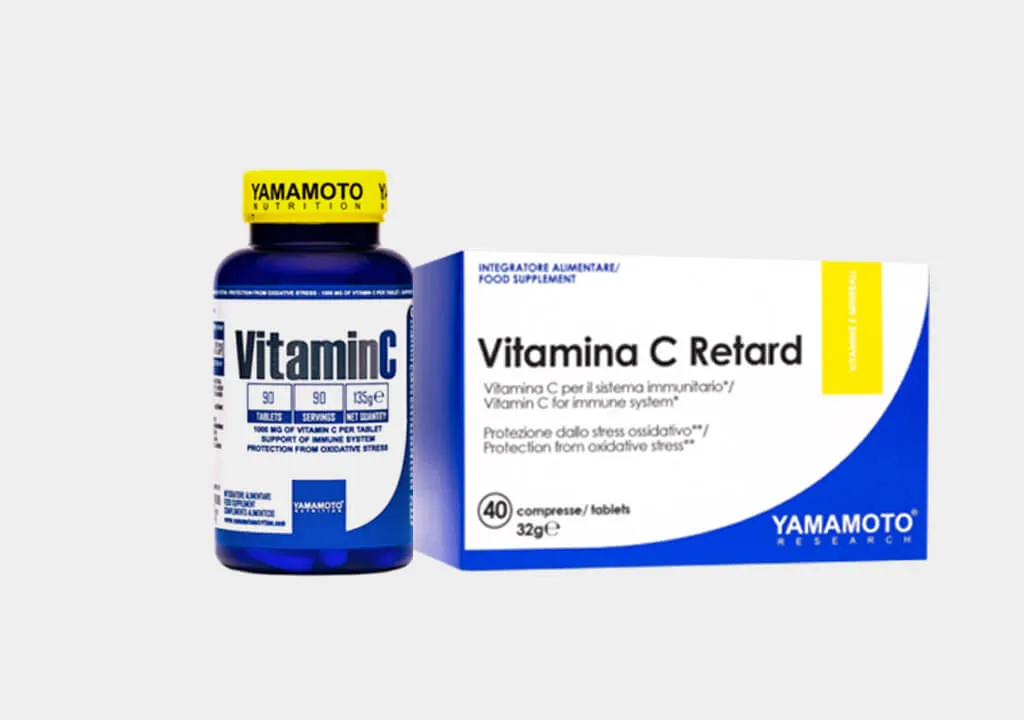
Although most people can meet their daily needs through a balanced diet rich in fruits and vegetables, vitamin supplements from avitazen can provide a practical solution when dietary intake is inadequate. Staying within the recommended intake level ensures that you reap the benefits without unwanted side effects.