
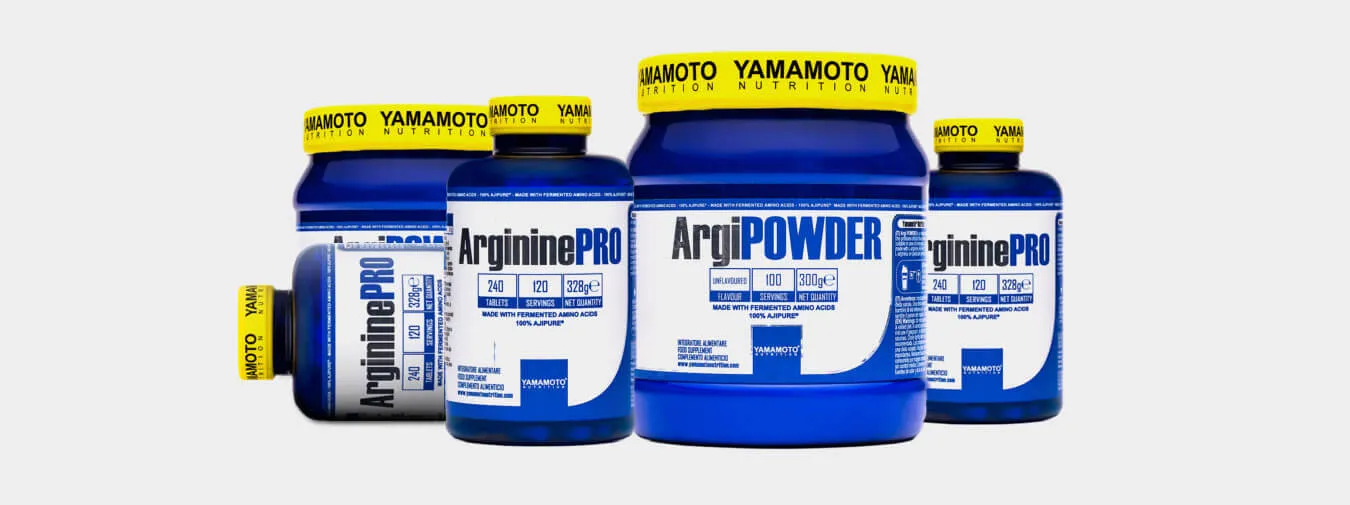
The human body contains many amino acids, each of which plays a key role in protein synthesis and muscle growth. Proteins are used by the body not only to build muscle but also to repair and regenerate tissues. One of the most important of these amino acids is L-arginine. This amino acid is known for improving athletic performance and enhancing blood flow by increasing the production of nitric oxide. To supply the body with the required amount of L-arginine, L-arginine supplements can be used. In this article, you will learn more about arginine benefits and understand why adequate intake is important for overall health.
What is Arginine?
Arginine, also known as L-arginine, is a semi-essential amino acid that plays a crucial role in the body’s protein synthesis. The body can produce arginine, but demand rises during intense activity, stress, illness, or growth. This makes dietary intake and supplementation crucial. Arginine is best known as a precursor to nitric oxide. Nitric oxide helps relax and widen blood vessels, boosting blood flow and oxygen delivery throughout the body.
In addition to its role in circulation, arginine supports protein synthesis. It boosts immune function and helps with wound healing. Also, it plays a role in hormone secretion, including growth hormone and insulin. These benefits make it popular in clinical nutrition and sports performance supplements.

The Benefits of Arginine
Arginine offers a wide range of benefits that impact multiple aspects of health. Here, we will explore the key benefits of Arginine:
Muscle Growth
Arginine supports muscle growth by improving nutrient delivery and protein synthesis. By increasing nitric oxide levels, it widens blood vessels, allowing more oxygen and essential nutrients to reach muscles during and after workouts. This enhanced circulation speeds up recovery, reduces fatigue, and helps repair and build lean muscle tissue. Arginine also stimulates growth hormone release, which further aids in increasing muscle size and strength, making it a valuable addition for athletes and fitness enthusiasts.
Heart health
L-arginine may support cardiovascular health by improving blood flow and promoting healthy blood vessel function. L-arginine is a precursor to nitric oxide. It helps relax and widen blood vessels. This can reduce strain on the heart and improve circulation. L-arginine may also ease occasional chest discomfort from poor blood flow. It’s a valuable supplement for heart health when paired with a balanced diet and healthy lifestyle.
Sexual Health in Men and Women
L-arginine has been shown to support healthy sexual function in both men and women. A meta-analysis of 47 clinical trials identified it as one of the few ingredients that can improve sexual health. This makes supplementation a safe and effective way to boost libido. In men, combining L-arginine with French maritime bark extract may further enhance blood flow, which is essential for a healthy sexual response. While in women, improved circulation can support arousal and overall sexual wellness.
Support Healthy Testosterone Levels
Testosterone plays a vital role in men’s health, influencing muscle strength, energy, and sexual function, but levels naturally decline with age. L-arginine supplementation may help support healthy testosterone levels by promoting the secretion of luteinizing hormone (LH), which signals the testes to produce testosterone. Animal studies suggest that arginine can positively influence this hormonal pathway, making it a useful option for men looking to maintain vitality, muscle performance, and overall well-being.
Antioxidant
Antioxidants protect cells from damage caused by free radicals, helping maintain overall health and slow age-related cellular stress. Preclinical studies suggest that L-arginine supplementation can increase the production of glutathione, one of the body’s main antioxidants. It may also encourage the expression of genes involved in antioxidant defense, supporting the body’s natural ability to counteract oxidative stress and maintain cellular function.

Increase Bodybuilding Performance
If you’re looking to push harder during your workouts, L-arginine may help enhance bodybuilding performance. Research suggests that arginine supplementation can support both aerobic and anaerobic capacity by increasing nitric oxide production in the body. Nitric oxide helps relax blood vessels and improve blood flow, allowing more oxygen and nutrients to reach working muscles. As a result, L-arginine may help you train harder and longer during moderate-intensity exercise, supporting endurance, workout quality, and overall performance in the gym.
Immune Benefits
Maintaining optimal levels of L-arginine can play a meaningful role in supporting immune health. Arginine helps nourish and activate key immune cells, allowing them to function efficiently and respond appropriately to challenges. By supporting the body’s natural defense mechanisms, L-arginine may help improve immune resilience, enhance recovery, and promote the ability to fight off everyday immune stressors more effectively.
Already-healthy Blood Sugar Levels
Clinical studies suggest that L-arginine can support healthy glucose metabolism, which refers to how efficiently the body uses sugar as a source of energy. By promoting balanced insulin activity and metabolic function, arginine may help the body manage fuel more effectively. Additionally, L-arginine supplementation has been associated with supporting a healthy weight, making it a helpful option for maintaining already-healthy blood sugar levels as part of an overall balanced lifestyle.

Already-healthy Blood Pressure
If your blood pressure is already within a healthy range, L-arginine may help you maintain it over time. By supporting nitric oxide production, arginine promotes healthy endothelial function and balanced vascular tone, both of which are essential for proper blood flow. Preclinical studies suggest that arginine supplementation may be particularly beneficial for individuals who are sensitive to salt, helping the body adapt more effectively. For this reason, L-arginine is commonly used as a supplement to support already-healthy blood pressure as part of a heart-conscious lifestyle.
Nervous System Health
The nervous system relies on key signaling molecules to regulate thinking, behavior, and overall brain function, and arginine plays a role in this process. Arginine is a component of vasopressin, a protein that acts as a neurotransmitter in the brain and helps support cognition, mood, and behavior. In addition to its role in neurotransmission, L-arginine may help protect brain cells from oxidative stress, contributing to overall nervous system health and supporting clear, balanced cognitive function.
Kidney Function
The kidneys are essential for filtering waste and maintaining fluid and mineral balance, and proper nutrition can make a meaningful difference in how well they function. Preclinical studies suggest that L-arginine supplementation may support kidney health by improving circulation and encouraging a healthy inflammatory response. These effects may help maintain normal kidney function and support overall metabolic balance as part of a comprehensive wellness routine.
Side Effects of L-Arginine
While L-arginine is generally well tolerated when used as directed, some individuals may experience side effects. Common reactions can include bloating, diarrhea, dizziness, and nausea or vomiting, particularly at higher doses. In rare cases, severe reactions may occur, including allergic responses, difficulty breathing, chest tightness, or complications in individuals with preexisting heart conditions. This is especially true for those with heart failure. If you have underlying health issues or take medications, consult a healthcare professional before using L-arginine. This ensures safe and proper use.
How much L-arginine should you take per day?
To help ensure an adequate intake of L-arginine, supplementation can be a practical option, especially when needs increase due to physical activity or performance goals. For general wellness and preventive support, a daily intake of 0.5 to 1.5 grams is typically sufficient. Individuals looking to support exercise performance may benefit from a higher dose of 2 to 3 grams per day. When using larger amounts, it’s best to divide the total dose into two or three smaller servings throughout the day to support better absorption and tolerance.

Conclusion
L-arginine is an amino acid with broad benefits that support both performance and everyday health. Promoting healthy blood flow, it helps enhance cardiovascular function, exercise capacity, muscle recovery, and sexual wellness, while also supporting immune health, nervous system function, and kidney health. L-arginine may further support the maintenance of healthy blood pressure, blood sugar levels, and hormonal balance, making it a versatile option for active individuals and those focused on long-term well-being. When taken in appropriate doses and combined with a balanced diet and a healthy lifestyle, L-arginine can be an effective supplement for enhancing overall vitality and physical performance.